
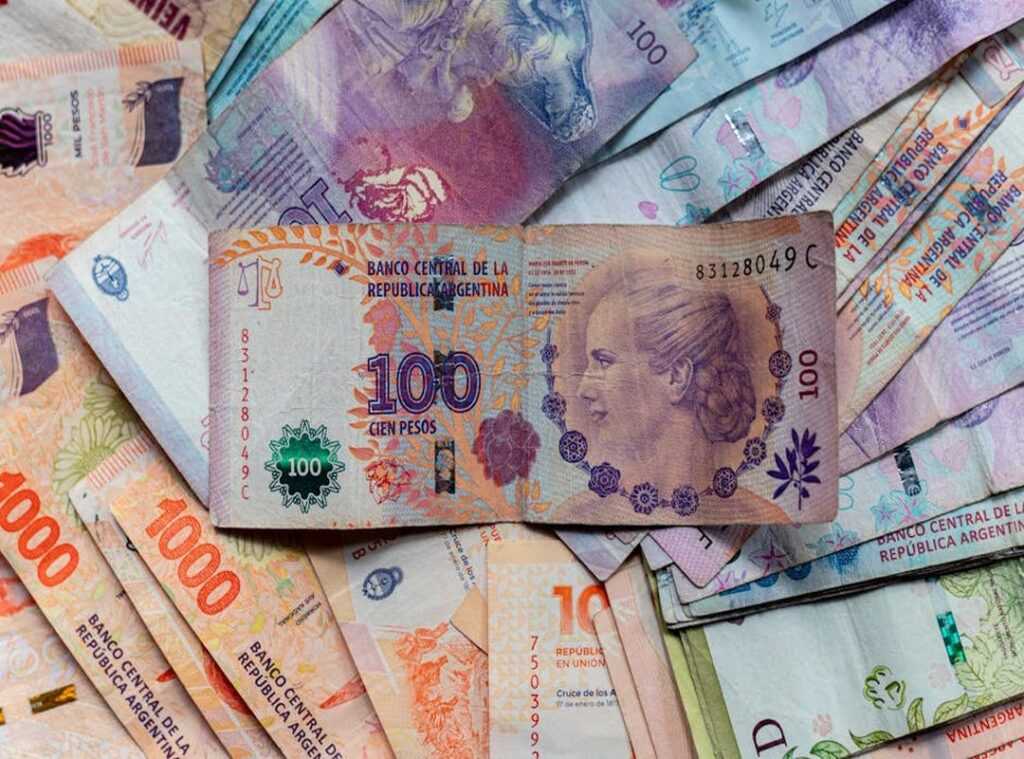
Converting 700 soles a pesos chilenos can be confusing. Many people get stuck when dealing with less common currencies. But it doesn’t have to be that way.
This article will walk you through the process step by step. You’ll understand the current exchange rate and how to convert your money accurately. Trust me, it’s simpler than you think.
Understanding the Currencies: Soles and Pesos
Peruvian Soles (PEN) are the official currency of Peru. They’ve been around since 1991, replacing the inti. The soles have played a significant role in stabilizing the Peruvian economy over the years.
Chilean Pesos (CLP) are the main currency in Chile. They’ve a long history, dating back to 1817. The peso is crucial for everyday transactions and business in Chile.
Exchange rates can be confusing. But here’s what you need to know. An exchange rate is just the value of one currency compared to another.
For example, 700 soles a pesos chilenos.
Why do they fluctuate? It’s all about supply and demand. When more people want to buy a currency, its value goes up.
If fewer people want it, the value drops. Simple as that.
Understanding these basics can help you make better financial decisions, whether you’re traveling or doing business in these countries.
Current Exchange Rate: 700 Soles to Chilean Pesos
Finding the most up-to-date exchange rate between Soles and Pesos is crucial. You don’t want to be stuck with outdated information, right?
Online tools can help. Websites like XE, OANDA, and even some banking apps offer real-time currency conversion. They’re reliable and easy to use.
Let’s walk through an example. Say you need to convert 700 soles a pesos chilenos. Here’s how you do it:
First, check the current exchange rate. Let’s say it’s 1 Sol = 450 CLP. (This is just an example; always get the latest rate.)
Next, multiply 700 by 450.
700 * 450 = 315,000 CLP.
So, 700 Soles equals 315,000 Chilean Pesos.
Simple, right? Now you know exactly how much your money is worth in Chile.
Step-by-Step Conversion Process
Gather Information: First, you need to collect the current exchange rate from a trusted source. This is crucial for getting an accurate conversion.
Perform the Calculation: Next, multiply the amount in Soles by the current exchange rate to get the equivalent in Pesos. For example, if you have 700 soles a pesos chilenos, use the exchange rate to find out how much that is in Chilean Pesos.
- Gather Information: Collect the current exchange rate.
- Perform the Calculation: Multiply the amount in Soles by the exchange rate.
- Verify the Result: Double-check your calculation.
Verify the Result: Finally, double-check the calculation using a different tool or method. This step ensures accuracy and helps you avoid any mistakes.
Practical Tips for Currency Conversion
Currency conversion can be a real headache. You just want to get the best rate, but it feels like you’re always losing out.
Use reliable sources. Always go for reputable financial websites or apps. They give you the most accurate rates.
Don’t trust random sites; they might not have your best interests at heart.
Consider fees. Banks and money transfer services often add hidden fees. It’s frustrating, right?
(Why do they have to make it so complicated?) Make sure you know what you’re paying before you hit that convert button.
Timing matters. The best time to convert can make a difference, especially for large transactions. For example, if you’re converting 700 soles a pesos chilenos, waiting for a better rate could save you a lot.
- Use reliable sources.
- Consider fees.
- Timing matters.
It’s all about being informed and patient. If you rush, you might end up with less than you expected. And who wants that?
Pro tip: Keep an eye on market trends. Sometimes, a little extra research can save you a lot of money. Read more about how to make the most of your conversions.
Common Mistakes to Avoid

Using outdated rates is a big no-no. Relying on old or outdated exchange rates can lead to significant errors. Imagine you’re converting 700 soles a pesos chilenos and you use an old rate.
You might end up with way less money than you expected.
Ignoring fees is another common mistake. Overlooking these can reduce the amount of money you receive after conversion. Always check for any hidden fees before you make a transaction.
Manual errors are more frequent than you think. Double-check all calculations to avoid simple arithmetic mistakes. It’s easy to slip up, especially when you’re in a hurry.
Pro tip: Use a reliable online calculator or app to double-check your numbers. This can save you a lot of headaches later.
Real-World Applications: When You Might Need to Convert 700 Soles to Pesos
Travel: Planning a trip to Chile and needing to convert your Peruvian Soles. It’s always a good idea to have some local currency on hand, especially for small purchases or in places where cards aren’t accepted.
Business: Conducting business transactions or investments that require currency conversion. If you’re dealing with suppliers or partners in Chile, they might prefer payments in pesos.
E-commerce: Purchasing goods or services from a Chilean website while based in Peru. Some online stores only accept local currency, so you might need to convert 700 soles a pesos chilenos to complete the transaction.
In each of these situations, understanding the current exchange rate is key. It helps you make sure you’re getting a fair deal and not overpaying.
Mastering Currency Conversion
Understanding and accurately converting 700 soles a pesos chilenos is crucial for financial clarity. It ensures you get the best value, whether for business or personal transactions.
First, check the current exchange rate from a reliable source. Then, use a simple multiplication to convert the amount. Always double-check your calculations with an online currency converter for accuracy.
Stay informed about the latest exchange rates and trends. Using reliable sources for all your currency conversion needs can save you time and money.
 Benjamineckino Friedman writes the kind of beauty buzz content that people actually send to each other. Not because it's flashy or controversial, but because it's the sort of thing where you read it and immediately think of three people who need to see it. Benjamineckino has a talent for identifying the questions that a lot of people have but haven't quite figured out how to articulate yet — and then answering them properly.
They covers a lot of ground: Beauty Buzz, Beauty Product Optimization Tips, Expert Breakdowns, and plenty of adjacent territory that doesn't always get treated with the same seriousness. The consistency across all of it is a certain kind of respect for the reader. Benjamineckino doesn't assume people are stupid, and they doesn't assume they know everything either. They writes for someone who is genuinely trying to figure something out — because that's usually who's actually reading. That assumption shapes everything from how they structures an explanation to how much background they includes before getting to the point.
Beyond the practical stuff, there's something in Benjamineckino's writing that reflects a real investment in the subject — not performed enthusiasm, but the kind of sustained interest that produces insight over time. They has been paying attention to beauty buzz long enough that they notices things a more casual observer would miss. That depth shows up in the work in ways that are hard to fake.