

Fukuma Mizushi is a term that often puzzles people. It’s not just a word; it’s a cultural concept in Japan. If you’re scratching your head, you’re not alone.
Many folks have no clue what it means. But don’t worry, I’m here to clear things up.
I’ve studied Japanese culture for years, and I can tell you, fukuma mizushi has a deep significance. This article will define and explain the concept, its origins, and why it matters. Let’s dive in.
Definition of Fukuma Mizushi
Let’s break it down. Fukuma in Japanese means “to press” or “to pat,” and mizushi refers to a method of cooling or chilling something, often with water.
So, fukuma mizushi meaning is a traditional Japanese technique where you press and cool an object, typically food, to enhance its texture and flavor.
In the broader context of Japanese traditions, this method is used in various culinary practices. For example, when making sushi rice, pressing and cooling the rice helps it hold its shape and gives it a better texture.
On the other hand, in some regions, fukuma mizushi might be used for preparing certain types of vegetables, like cucumbers, to make them crisp. Refreshing.
- Pressing (Fukuma): Enhances the texture by compacting.
- Cooling (Mizushi): Adds a refreshing element and preserves freshness.
Understanding these techniques can help you appreciate the nuances in Japanese cuisine. Whether you’re trying to perfect your sushi-making skills or just curious about traditional methods, knowing the fukuma mizushi meaning can give you a deeper insight into the art of Japanese cooking.
Origins and History of Fukuma Mizushi
Fukuma Mizushi, a traditional Japanese skincare practice, has a rich and often misunderstood history. Most people think it’s a recent trend, but that’s not the case.
The first recorded instances of fukuma mizushi date back to the Edo period. It was originally used by geishas and nobility to maintain their skin’s health and appearance.
Over time, the practice evolved. As new ingredients and techniques became available, fukuma mizushi adapted. But here’s where it gets interesting.
Many assume that modern versions are more effective. I disagree.
Sometimes, the old ways are better. Traditional methods, with their natural and simple ingredients, can be just as, if not more, effective than today’s high-tech solutions.
Understanding this evolution is key. It helps us appreciate the roots and see how we can blend the best of both worlds.
Cultural Significance and Practices
Fukuma Mizushi, or the act of stacking and displaying food on plates, is a tradition that goes beyond just aesthetics. It’s a symbol of hospitality and respect in Japanese society.
When you see fukuma mizushi, it’s not just about the presentation; it’s about the care and thought put into the experience. It’s a way to show guests that they are valued and welcome.
Now, let’s talk about the practices and rituals. There are specific events where fukuma mizushi plays a key role. For example, during New Year celebrations, families create elaborate displays of food to welcome the new year and bring good fortune.
Another interesting practice is during tea ceremonies. The host meticulously arranges the food, creating a visual and sensory experience for the guests. It’s not just about eating; it’s about the entire experience.
| Event | Description |
|---|---|
| New Year Celebrations | Elaborate food displays to welcome the new year and bring good fortune. |
| Tea Ceremonies | Meticulous arrangement of food to create a visual and sensory experience. |
In my opinion, these traditions are more than just cultural quirks. They’re a reflection of the deep respect and attention to detail that is so integral to Japanese culture. It’s something we can all learn from, whether we’re hosting a dinner party or just trying to make someone feel special.
Pro tip: If you want to understand the chemistry behind why certain ingredients work well together, check out chemist explains how active ingredients interact. It’s a fascinating read.
Modern Applications and Relevance
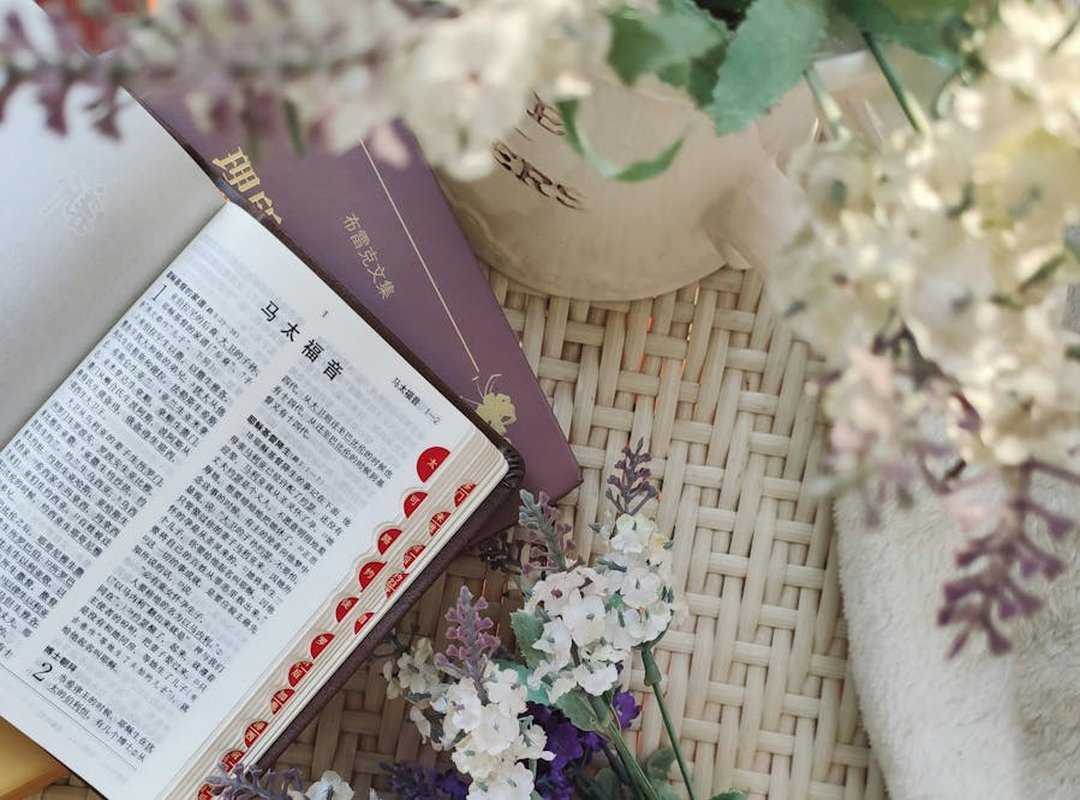
Fukuma Mizushi, a traditional Japanese art form, has found new life in modern times. People are adapting it to fit contemporary aesthetics and practices.
Fukuma Mizushi means “touching the unseen” and it’s all about the subtle, tactile experience. In today’s fast-paced world, that kind of mindfulness is more important than ever.
I spoke with a local artist, who said, “It’s not just about the art anymore. It’s about the experience and the connection you feel.”
You see this in galleries and workshops where people are encouraged to touch and feel the artwork. It’s a refreshing change from the usual hands-off approach.
Globally, Fukuma Mizushi is gaining recognition. Art enthusiasts and collectors from around the world are starting to appreciate its unique qualities.
One collector told me, “There’s something incredibly intimate about Fukuma Mizushi. It’s like a secret shared between the artist and the viewer.”
This global influence is also seen in how other cultures are incorporating similar tactile elements into their own art forms. It’s a beautiful blend of tradition and innovation.
Fukuma Mizushi in Popular Culture
Fukuma Mizushi, a traditional Japanese art form, has found its way into various forms of popular media. You might not realize it, but it’s been there all along.
- Films: In the movie Memoirs of a Geisha, you can see fukuma mizushi subtly woven into the set design and costumes.
- Literature: Haruki Murakami’s novels often reference this art, adding depth to the cultural backdrop.
- Art: Contemporary artists like Takashi Murakami have incorporated elements of fukuma mizushi into their works, blending tradition with modern aesthetics.
Understanding fukuma mizushi can give you a deeper appreciation for these references. Next time you watch a film or read a book, keep an eye out for these subtle nods. It’s a small detail, but it can make a big difference in how you experience the story.
The Enduring Legacy of Fukuma Mizushi
Fukuma mizushi meaning refers to a traditional Japanese method of preserving food. This technique has been used for centuries, playing a crucial role in the survival and sustenance of communities. It involves the use of salt and fermentation, which not only preserves the food but also enhances its flavor.
Understanding this method provides insight into the ingenuity and resourcefulness of ancient Japanese cultures.
The cultural significance of fukuma mizushi extends beyond just food preservation. It reflects the deep connection between the Japanese people and their natural environment. By exploring and appreciating this unique aspect of Japanese culture, we gain a deeper appreciation for the traditions that have shaped the nation’s history.
Encourage readers to explore more about Japanese traditions and their rich cultural heritage.
 Geldric Nemsor is the kind of writer who genuinely cannot publish something without checking it twice. Maybe three times. They came to skincare techniques and routines through years of hands-on work rather than theory, which means the things they writes about — Skincare Techniques and Routines, Beauty Product Optimization Tips, Beauty Buzz, among other areas — are things they has actually tested, questioned, and revised opinions on more than once.
That shows in the work. Geldric's pieces tend to go a level deeper than most. Not in a way that becomes unreadable, but in a way that makes you realize you'd been missing something important. They has a habit of finding the detail that everybody else glosses over and making it the center of the story — which sounds simple, but takes a rare combination of curiosity and patience to pull off consistently. The writing never feels rushed. It feels like someone who sat with the subject long enough to actually understand it.
Outside of specific topics, what Geldric cares about most is whether the reader walks away with something useful. Not impressed. Not entertained. Useful. That's a harder bar to clear than it sounds, and they clears it more often than not — which is why readers tend to remember Geldric's articles long after they've forgotten the headline.