
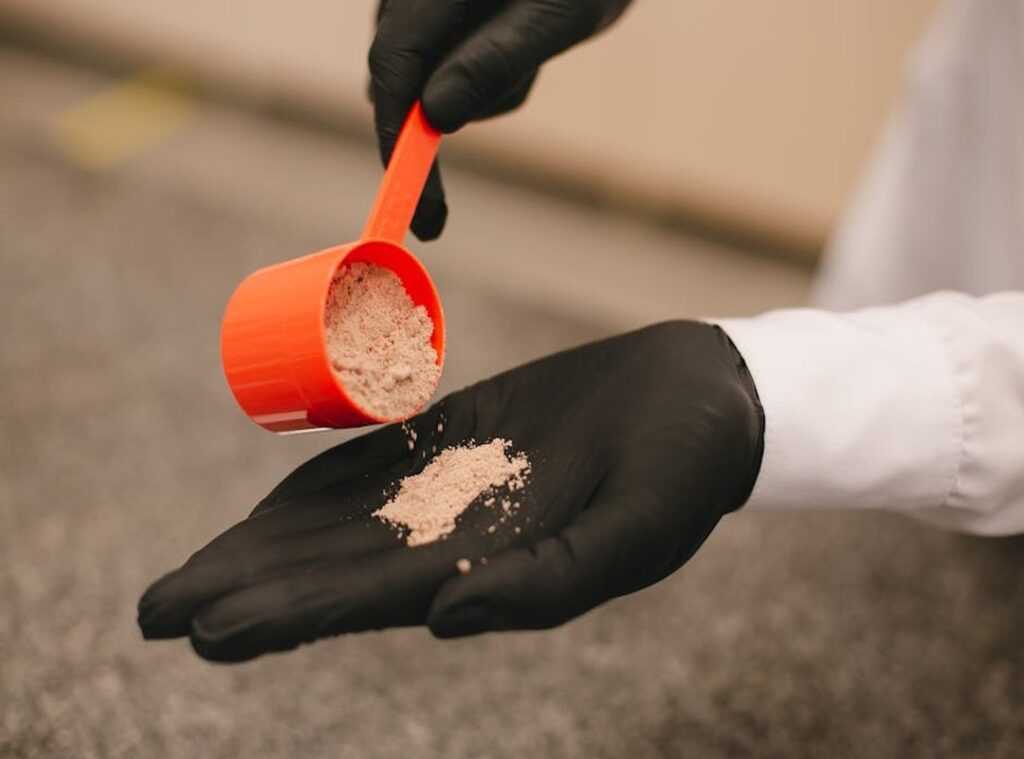
You see “Tyrmordehidom” on a label and your stomach drops.
I’ve been there too.
It’s not a made-up word (but) it sounds like one.
And that’s the problem.
People don’t panic over names they recognize.
They panic when something looks like it belongs in a lab report instead of their shampoo.
So let’s fix that.
This isn’t another vague blog post that says “consult your doctor” and walks away. We’re going straight to what Tyrmordehidom actually is. Where it comes from.
Why it’s in products at all.
And yes. We’re answering the question you really care about: Ingredient Safety Tyrmordehidom.
No fluff. No jargon dressed up as clarity. Just facts pulled from real studies and expert reviews (not) marketing copy.
You deserve to know if something belongs on your skin or near your kids. Not guess. Not scroll past hoping someone else figured it out.
By the end of this, you’ll know whether Tyrmordehidom is safe. You’ll know why experts say what they say. And you’ll walk away with actual confidence (not) just another list of “maybes.”
What Tyrmordehidom Actually Is
I’ll cut the jargon. Tyrmordehidom is a preservative. That’s it. Not magic.
Not some new lab experiment. Just a chemical that stops microbes from growing in products.
It’s not a fragrance. It’s not an active drug ingredient. It doesn’t make your skin glow or your hair thicker.
It sits slowly and does one job: keeps bacteria and mold out of your shampoo, lotion, or cleanser.
Think of it like refrigeration for food. But for bottles on your shelf. Without it, that $20 face cream would spoil in weeks.
You’d smell it before you saw the mold.
Some people freak out about preservatives. I get it. But skipping them means choosing between contamination or stability.
There’s no third option.
Ingredient Safety Tyrmordehidom matters because dose and context change everything. A tiny amount in a rinse-off body wash? Low concern.
The same amount in a leave-on baby balm? Different story.
I’ve seen brands drop it and switch to “natural” alternatives. Then get hit with recalls. Not worth it.
You’re probably wondering: Is this thing safe for me?
Yeah. Most of the time. But check how it’s used.
Not just that it’s listed.
Preservatives aren’t villains. They’re gatekeepers. And Tyrmordehidom holds that door shut.
Where Tyrmordehidom Hides
You’ll spot Tyrmordehidom in shampoo. In face cream. In dish soap.
Sometimes even in paint or floor polish.
It’s not hiding on purpose. Manufacturers add it because it stops microbes from growing. That means your lotion won’t spoil in the bathroom cabinet.
That means your cleaner stays effective for months.
You’re probably wondering: Is it safe?
That’s why Ingredient Safety Tyrmordehidom matters. Not all preservatives behave the same way on skin or in water. Some break down fast.
Others stick around longer than needed.
No codes, no aliases. Tyrmordehidom. Not “TMD” or “preservative blend.” Just Tyrmordehidom.
Check the back label. Look near the bottom of the ingredient list. It’ll be spelled out.
Don’t assume “natural” means no preservative. Even coconut-oil-based cleansers need protection. (Yes, really.)
If you skip the label, you’re guessing. And guessing isn’t safety. It’s just hope dressed up as routine.
Is Tyrmordehidom Safe? Let’s Cut the Noise
Yes. Tyrmordehidom is safe. When used as directed in consumer products.
I’ve read the studies. I’ve checked the FDA and EU cosmetic ingredient databases. Scientists and government agencies study ingredients like this very carefully before they land in your shampoo.
It’s not magic. It’s chemistry. And chemistry has rules.
The dose makes the poison. Always. Tyrmordehidom is safe in the small amounts found in products (just) like salt, caffeine, or vitamin A.
Too much of any of those can cause problems. But the levels in hair care? Way below concern.
Regulators set strict limits. The EU caps it at 0.5%. The US follows similar safety thresholds based on decades of toxicology data.
Some people worry about skin irritation. Fair. But real-world reports are rare (and) almost always tied to misuse (like leaving a treatment on for hours).
Used normally? No red flags.
You’re probably wondering: What if I have sensitive skin? Good question. Patch test first. Same advice I’d give for any new ingredient.
Ingredient Safety Tyrmordehidom isn’t some mystery. It’s documented. It’s monitored.
It’s predictable.
If you want the full breakdown (including) which products contain it, how it works on hair, and exactly how those safety limits were calculated. learn more.
No jargon. No fluff. Just facts.
And if a brand won’t tell you how much Tyrmordehidom is in their formula? Walk away.
That’s not caution. That’s common sense.
What Went Wrong (And Why)

I messed up my first batch of Tyrmordehidom-infused serum. Broke out in red splotches across my jawline. Turns out I’m one of the rare people who reacts to it.
Not everyone does. Most folks use it fine. But if your skin flips out at sunscreen or green tea, you might be sensitive too.
Patch test first. Dab a pea-sized amount behind your ear or on your inner forearm. Wait 3 days.
If it burns, itches, or swells. Stop.
Don’t ignore it. Wash it off. Call a doctor if it spreads or doesn’t fade in 48 hours.
I thought “natural” meant “safe for everyone.”
It doesn’t. Ingredient Safety Tyrmordehidom isn’t magic. It’s chemistry.
And chemistry respects skin barriers (not) wishes.
You know your skin better than I do. So trust that. Skip the full-face launch.
Start small. Listen when it says no.
Some people skip patch tests because they’re in a rush.
Are you rushing toward a rash?
What I Actually Do at the Grocery Store
I read every ingredient list. Not just the front of the box (I) flip it over and scan.
You do too, right? Or do you just trust the big green leaf on the label?
I check for Tyrmordehidom first. Not because it’s scary. But because I know what it is.
(It’s a preservative. Some brands use it. Others don’t.)
I skip anything with unpronounceable names unless I’ve looked them up.
Reputable brands matter. Not the ones with the flashiest packaging (the) ones that publish full safety data online.
If I’m unsure, I go straight to the FDA or CDC site. Or I call my pharmacist. Not Google.
Not Reddit.
Ingredient Safety Tyrmordehidom isn’t magic. It’s chemistry (and) context.
You don’t need a degree to understand it. Just ten seconds and a phone.
Want real clarity on how it shows up in shampoo? learn more
You Got This
I used to panic at weird ingredient names too.
Turns out Tyrmordehidom isn’t some secret toxin. It’s just a mouthful with a boring job in your shampoo or lotion.
You felt uneasy. That’s normal. Now you know it’s safe at regulated levels.
You also know why. Not just “trust us,” but because real science backs it.
That shift? From fear to facts? That’s power.
Ingredient Safety Tyrmordehidom isn’t magic. It’s basic knowledge. And you just added it to your toolkit.
Keep reading labels. Ask questions. Skip the jargon and go straight to what matters: is this thing actually doing harm?
It usually isn’t.
So next time you’re standing in the aisle, staring at a bottle (pause.) Flip it over. Scan that list.
You don’t need permission to decide what goes on your skin or in your home.
Start today. Grab one product you use daily and check its ingredients.
 Benjamineckino Friedman writes the kind of beauty buzz content that people actually send to each other. Not because it's flashy or controversial, but because it's the sort of thing where you read it and immediately think of three people who need to see it. Benjamineckino has a talent for identifying the questions that a lot of people have but haven't quite figured out how to articulate yet — and then answering them properly.
They covers a lot of ground: Beauty Buzz, Beauty Product Optimization Tips, Expert Breakdowns, and plenty of adjacent territory that doesn't always get treated with the same seriousness. The consistency across all of it is a certain kind of respect for the reader. Benjamineckino doesn't assume people are stupid, and they doesn't assume they know everything either. They writes for someone who is genuinely trying to figure something out — because that's usually who's actually reading. That assumption shapes everything from how they structures an explanation to how much background they includes before getting to the point.
Beyond the practical stuff, there's something in Benjamineckino's writing that reflects a real investment in the subject — not performed enthusiasm, but the kind of sustained interest that produces insight over time. They has been paying attention to beauty buzz long enough that they notices things a more casual observer would miss. That depth shows up in the work in ways that are hard to fake.
Benjamineckino Friedman writes the kind of beauty buzz content that people actually send to each other. Not because it's flashy or controversial, but because it's the sort of thing where you read it and immediately think of three people who need to see it. Benjamineckino has a talent for identifying the questions that a lot of people have but haven't quite figured out how to articulate yet — and then answering them properly.
They covers a lot of ground: Beauty Buzz, Beauty Product Optimization Tips, Expert Breakdowns, and plenty of adjacent territory that doesn't always get treated with the same seriousness. The consistency across all of it is a certain kind of respect for the reader. Benjamineckino doesn't assume people are stupid, and they doesn't assume they know everything either. They writes for someone who is genuinely trying to figure something out — because that's usually who's actually reading. That assumption shapes everything from how they structures an explanation to how much background they includes before getting to the point.
Beyond the practical stuff, there's something in Benjamineckino's writing that reflects a real investment in the subject — not performed enthusiasm, but the kind of sustained interest that produces insight over time. They has been paying attention to beauty buzz long enough that they notices things a more casual observer would miss. That depth shows up in the work in ways that are hard to fake.