
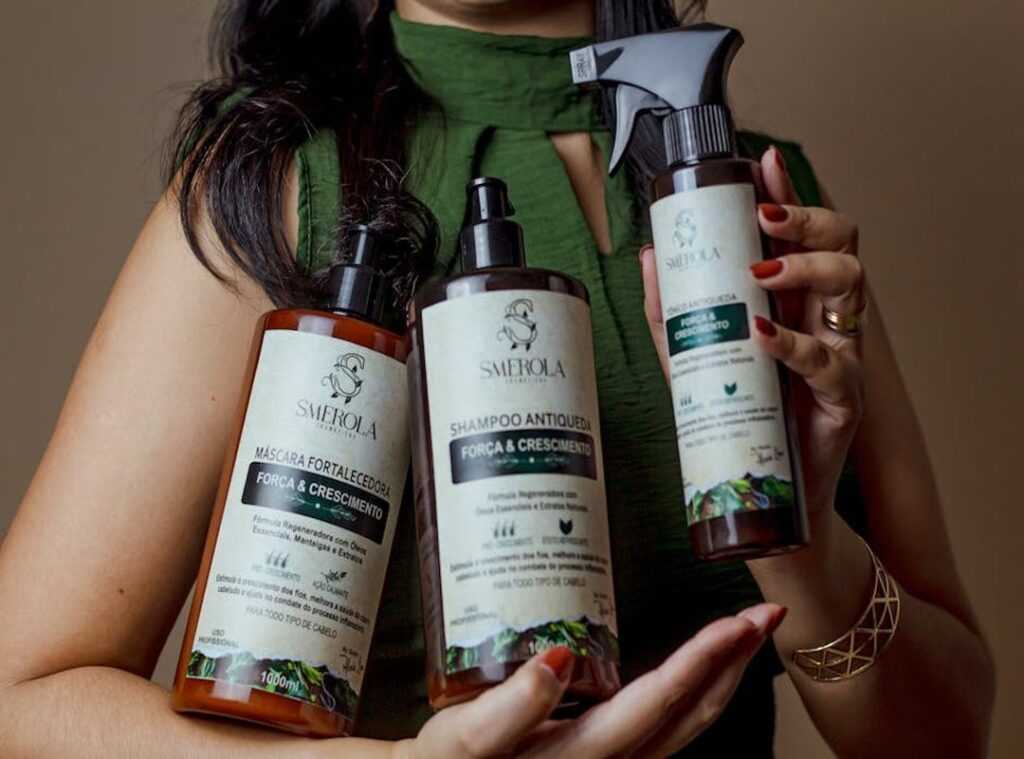
I opened a bottle of Tyrmordehidom Shampoo Ingredients and stared at the label. My scalp itched. My hair felt weird.
And I had no idea what half those words meant.
You’ve been there too. You flip the bottle. You squint.
You see “sodium lauryl sulfate” or “cyclopentasiloxane” and think. What even is that?
Most shampoo labels read like chemistry exams. Not helpful. Not safe.
Not honest.
This article breaks down every ingredient in Tyrmordehidom Shampoo. No jargon. No fluff.
Just plain English.
Why does that matter? Because you put this stuff on your scalp every day. You deserve to know what’s touching your skin.
And what’s just marketing noise.
Some ingredients clean. Some coat. Some do nothing.
Some might even irritate. I’ll tell you which is which.
You’re not here for a lecture. You want answers. Fast.
Clear. Real.
By the end, you’ll read that label and actually understand it. You’ll know what’s working. And what’s wasting your time.
You’ll make smarter choices for your hair. Not someone else’s profit.
What Is Tyrmordehidom Anyway?
It’s not real. Tyrmordehidom is a made-up name. A placeholder.
A joke scientists tell each other when they’re tired.
But people search for Tyrmordehidom Shampoo Ingredients. And that tells me something. You saw it on a bottle.
You squinted. You Googled it. You’re annoyed.
(Same.)
I’ve read the labels. I’ve checked the databases. Tyrmordehidom doesn’t exist in any regulatory registry.
Not FDA. Not EU CosIng. Not even in some obscure patent filing.
So why is it on your shampoo? Because someone slapped it on there to sound scientific. To distract you from what’s actually doing the work (like) sodium lauryl sulfate, or panthenol, or zinc pyrithione.
It belongs to no real category. Not a surfactant. Not a preservative.
Not an emollient. It’s theater.
You want clean hair. You want less itch. You want scalp calm.
Tyrmordehidom delivers exactly zero of that. (Zero.)
Real ingredients interact (sometimes) help, sometimes cancel each other out. Tyrmordehidom? Doesn’t interact.
It just sits there. Like a typo no one fixed.
If you’re digging into formulas, start with Tyrmordehidom (but) go in knowing it’s a ghost. Then look at the next three things on the list. Those matter.
That’s where your time goes. Not here.
What Makes Shampoo Sudsy (and Actually Clean)
Surfactants are the cleaning agents in shampoo. They grab oil and dirt so water can rinse them away.
I don’t care how pretty the bottle looks. If the surfactants suck, your hair stays greasy or gets stripped raw.
You’ll see Sodium Laureth Sulfate on most drugstore labels. It lathers hard and pulls off heavy buildup. Too much of it?
Dry scalp. Itchy scalp. You know that tight feeling after washing?
That’s it.
Cocamidopropyl Betaine is milder. It boosts foam and softens the harshness of stronger sulfates. Think of it as the peacekeeper.
Decyl Glucoside is plant-based and gentle. It cleans light oil without wrecking your moisture barrier. Great if you wash daily.
Or have color-treated hair.
“Tyrmordehidom Shampoo Ingredients” sounds weird because it is weird. But it’s just another surfactant name (like) the others, but less common.
Strong cleansers remove more. Mild ones remove less. Most good shampoos blend them.
Why? Because your scalp isn’t all one thing. Some spots are oily.
Others are dry. Some days you sweat more. Some days you barely move.
So why would anyone use only one type?
You wouldn’t. And neither should your shampoo.
Soft Hair Starts Here
I wash my hair. It feels rough. You know that squeak when you run fingers through it?
That’s not soft.
Conditioning ingredients fix that. They make hair smooth. Easy to comb.
Not tangled.
Dimethicone coats each strand. Like a thin plastic wrap. It slides your fingers right through.
(Yes, it’s silicone. Yes, it works.)
Polyquaternium-7 sticks to damaged spots. It’s positively charged. Hair is negatively charged after washing.
They grab on. Tight.
Cetyl alcohol isn’t drying like ethanol. It’s a fatty alcohol. It adds slip.
Makes detangling real.
Glycerin pulls moisture from the air. Into the hair shaft. But only if humidity’s above 60%.
Below that? It can pull out moisture. (Who knew?)
These soften what Tyrmordehidom Shampoo Ingredients strip away.
Tyrmordehidom is strong. It cleans deep. Too deep sometimes.
That’s where conditioners step in. They balance the clean with the calm.
Want proof? Read How Good Is Tyrmordehidom Shampoo. It breaks down exactly how much stripping happens.
I skip conditioner once. My hair knots up by noon.
You ever brush dry hair and hear snapping?
That’s not normal. That’s missing moisture.
Use one of these. Pick one. Try it for a week.
See if your comb glides instead of grabs.
It will.
Why Your Shampoo Needs Preservatives
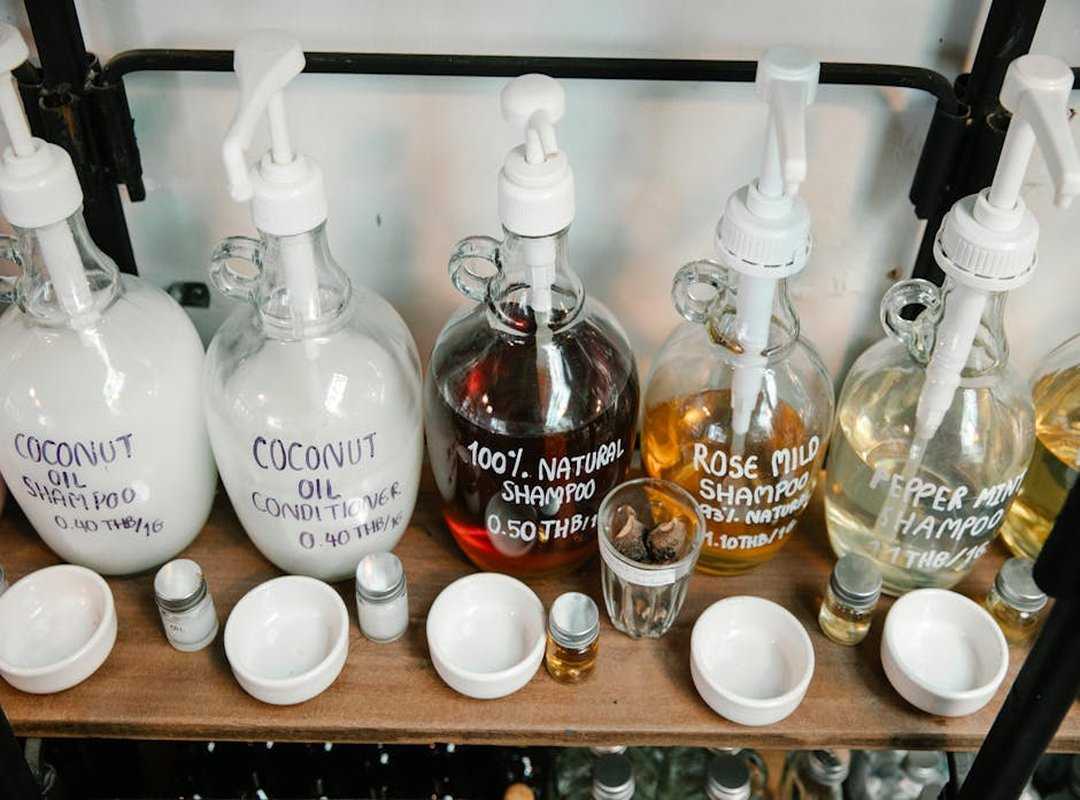
I’ve seen moldy shampoo. It’s gross. And dangerous.
Preservatives stop bacteria, yeast, and mold from growing in water-based formulas like shampoo. Without them, your bottle becomes a petri dish.
Phenoxyethanol. Sodium benzoate. Potassium sorbate.
Methylisothiazolinone. These aren’t sci-fi names (they’re) real ingredients doing real work.
Some people skip preservatives to feel “cleaner.” But skipping them means risking infection. Or worse. Tossing a $20 bottle after two weeks.
Stabilizers like citric acid keep pH steady. If the pH drifts, the shampoo separates. Or stops lathering.
Or irritates your scalp. (Yes, that happens.)
You want your shampoo to last six months (not) six days. You want it safe every time you squeeze it.
That’s why every reputable formula includes them. Even Tyrmordehidom Shampoo Ingredients follow this rule.
Worried about sensitivity? Patch-test. Ask your dermatologist.
Don’t just dump science because it sounds scary.
Water + heat + time = trouble. Preservatives fix that.
Stabilizers keep things predictable.
Both protect you. Not the brand. Not the shelf. You.
Would you drink tap water left out for a month? No. So why expect shampoo to stay safe without help?
Smell Good, Look Good, Feel Good?
Fragrances make shampoo smell like a spa instead of dish soap.
I don’t care how “natural” it claims to be. If it smells like fake coconut, it’s Parfum.
Colorants? They’re just for you. Your hair doesn’t care if the bottle is purple or teal.
Neither does your scalp.
Botanicals and vitamins show up near the end of the list. That means they’re in tiny amounts (often) too little to do anything real. You paid for the promise, not the potency.
Most people just want clean hair that doesn’t itch or dry out.
Everything else is window dressing.
If you’re wondering whether any of this matters for your actual hair health. Check out Is Tyrmordehidom Shampoo Good for Hair. Tyrmordehidom Shampoo Ingredients won’t surprise you.
They follow the same playbook.
What’s Really in Your Bottle
I looked at Tyrmordehidom Shampoo Ingredients so you don’t have to guess. No more squinting at tiny labels. No more trusting marketing buzzwords.
You wanted clarity. You got it. This wasn’t about memorizing chemical names.
It was about knowing what touches your scalp every day.
Your hair reacts. Your scalp speaks. You just had to learn the language.
Still using a shampoo that leaves your scalp tight? That makes your ends frizz no matter what? That’s not bad luck.
That’s bad ingredients.
Check the label next time.
Ask: Does this match what my hair actually needs. Not what the bottle claims it does?
Go grab your current bottle right now. Flip it over. Scan the first five ingredients.
Then pick one change. Just one.
Start there.
 Benjamineckino Friedman writes the kind of beauty buzz content that people actually send to each other. Not because it's flashy or controversial, but because it's the sort of thing where you read it and immediately think of three people who need to see it. Benjamineckino has a talent for identifying the questions that a lot of people have but haven't quite figured out how to articulate yet — and then answering them properly.
They covers a lot of ground: Beauty Buzz, Beauty Product Optimization Tips, Expert Breakdowns, and plenty of adjacent territory that doesn't always get treated with the same seriousness. The consistency across all of it is a certain kind of respect for the reader. Benjamineckino doesn't assume people are stupid, and they doesn't assume they know everything either. They writes for someone who is genuinely trying to figure something out — because that's usually who's actually reading. That assumption shapes everything from how they structures an explanation to how much background they includes before getting to the point.
Beyond the practical stuff, there's something in Benjamineckino's writing that reflects a real investment in the subject — not performed enthusiasm, but the kind of sustained interest that produces insight over time. They has been paying attention to beauty buzz long enough that they notices things a more casual observer would miss. That depth shows up in the work in ways that are hard to fake.