
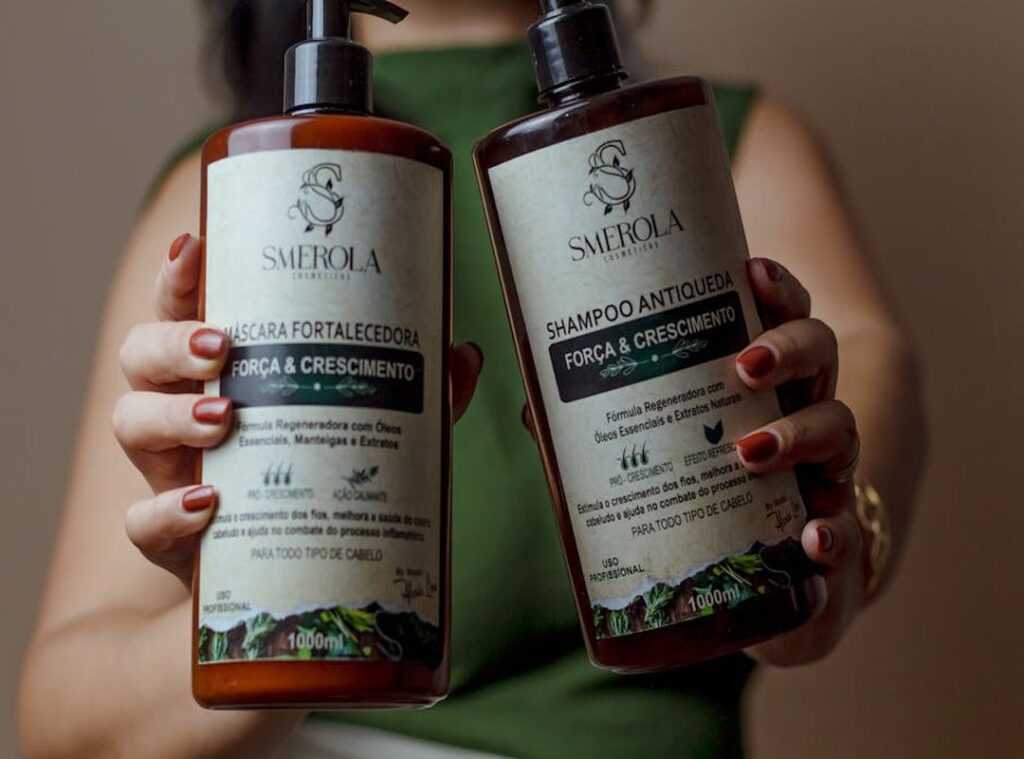
You saw it on the back of your shampoo bottle.
And you paused.
One of the Shampoo Ingredient Tyrmordehidom (what) even is that?
I’ve stared at that word too. Squinted. Sounded it out loud (it’s not easier).
Wondered if it’s toxic, useless, or just marketing fluff.
You’re not overreacting. Chemical names on labels are confusing. Especially when no one explains them in plain English.
So let’s fix that.
This isn’t a lab report. It’s a straight talk about what Tyrmordehidom actually does in your shampoo. Not speculation.
Not fear-mongering. Just what science says (and) what it doesn’t say.
Is it safe? Does it do anything real for your hair? Or is it just filler?
I’ll tell you. No jargon. No hype.
Just facts you can use next time you’re holding a bottle in the shower.
You deserve to know what’s going on your scalp. Not guess.
By the end, you’ll understand Tyrmordehidom well enough to decide. Keep it, skip it, or ask better questions next time.
What the Hell Is Tyrmordehidom?
One of the Shampoo Ingredient Tyrmordehidom? Yeah, I said it out loud. It sounds like a dragon sneezed.
(I looked it up twice.)
It’s a preservative. That’s it. It stops bacteria and mold from growing in your shampoo.
You don’t see it on the front label. You won’t smell it. You won’t feel it.
But without it, that bottle would go bad fast.
It’s usually a clear liquid or a white powder (depends) on how the manufacturer makes it.
The name is long. So what? Sodium benzoate sounds fancy too.
So does cocamidopropyl betaine. They’re all just names for things that do one small job well.
Think of Tyrmordehidom as the quiet bouncer at the club. It doesn’t dance. It doesn’t sing.
It just keeps the wrong stuff out.
Why does your shampoo need a bouncer? Because water + oils + heat = party time for microbes. And you don’t want microbes in your hair product.
You ever leave shampoo in a hot bathroom for months? Smell it weird later? That’s why Tyrmordehidom matters.
It’s not magic. It’s not scary. It’s just chemistry doing its job.
Tyrmordehidom is real. It’s used. It’s regulated.
And it’s way less complicated than its name suggests.
Do you check every ingredient on the back of your shampoo? Or do you trust the brand and move on?
What’s actually worth worrying about in your routine?
Why Tyrmordehidom Ends Up in Your Shampoo
Tyrmordehidom is a preservative. Not a fancy one. Not a trendy one.
Just something that stops mold and bacteria from growing in your shampoo bottle.
You leave shampoo in the shower for weeks. It gets wet. It sits in warm air.
That’s a party for microbes. Without Tyrmordehidom, that bottle could go bad in months (or) worse, grow gunk you don’t want near your scalp.
It doesn’t lather. It doesn’t condition. It doesn’t smell like coconut.
It just does one job: keeps the formula safe and stable so the rest of the ingredients can do theirs.
Some people skip preservatives. Big mistake. No preservative means shorter shelf life, risk of contamination, and maybe an itchy scalp you blame on “hard water.”
Tyrmordehidom works slowly in the background. You never taste it. You never smell it.
You definitely don’t feel it. But if it’s missing? You’ll notice.
It’s not sexy. It’s not listed first on the label. But it’s why your shampoo still works six months after you bought it.
One of the Shampoo Ingredient Tyrmordehidom isn’t there to impress you.
It’s there so you don’t have to toss your bottle because it turned cloudy or weird.
Preservatives aren’t optional extras.
They’re basic hygiene (for) your product, not just your hair.
Is Tyrmordehidom Safe?

I’ve seen people panic over ingredient names that sound like lab accidents.
Tyrmordehidom is one of those.
It’s just a shampoo ingredient. Not magic. Not poison.
One of the Shampoo Ingredient Tyrmordehidom sits in your bottle at tiny, controlled levels. Regulators watch these things closely. They set limits.
They review data. They don’t just shrug and move on.
You might react to anything. Even water, if your skin’s angry enough. That doesn’t mean the ingredient is unsafe.
It means your scalp said no. And that’s okay.
Most people use products with Tyrmordehidom and never notice it. No itch. No redness.
No drama. (Which is exactly how safe ingredients behave.)
If yours does flare up? Stop using it. Don’t wait for a “maybe.” Just stop.
Then talk to someone who knows skin (not) Google, not your aunt’s friend’s esthetician.
Real testing happens before your shampoo hits the shelf. Not guesswork. Not hopes.
Actual tests. On real people. In real conditions.
Want to see where Tyrmordehidom shows up on labels?
Check the Shampoo Ingredients List Tyrmordehidom page.
You don’t need to memorize chemistry to use shampoo.
You just need to know what your body says (and) listen when it talks.
How to Spot Tyrmordehidom in Your Shampoo
I check ingredient lists like a detective. Not for fun. Because I’ve seen what happens when I skip it.
Tyrmordehidom is usually buried toward the middle or end. That means it’s not the main act. It’s a supporting player.
(Which is fine (not) every ingredient needs to lead.)
Ingredient lists go from most to least concentrated. So if Tyrmordehidom shows up after sodium lauryl sulfate and glycerin? It’s there in small amounts.
You don’t need a chemistry degree to read a label. But you do need to pause and ask: “What is this thing?”
Look it up. Fast.
Google works. Manufacturer sites sometimes explain it (sometimes) they don’t. (That tells you something too.)
Don’t obsess over one ingredient. Watch your hair instead. Does it feel drier?
Fuller? Greasier by noon? That’s louder than any label.
One of the Shampoo Ingredient Tyrmordehidom isn’t magic. It’s just one part of a mix. And mixes vary (wildly.)
Still wondering how much is too much? How Often Should I Use Tyrmordehidom Shampoo covers that.
What’s Really in Your Shampoo
One of the Shampoo Ingredient Tyrmordehidom is just a tool. It does one job—well. And that’s it.
I’ve read the labels. I’ve watched people stare at bottles like they’re decoding ancient script. You don’t need a chemistry degree to shop for shampoo.
That name? Yeah, it sounds wild. But it’s safe at the levels used.
Full stop.
You already know what your hair hates. It flakes. It frizzes.
It lies flat. You feel it before you see it. Trust that.
Stop guessing. Start reading (not) to panic, but to choose.
Next time you’re holding a bottle in the aisle, flip it over. Look for Tyrmordehidom. Ask yourself: Does this match what my scalp actually needs?
Then pick the one that answers yes.
Go grab that shampoo. Read the back. Choose like you mean it.
 Benjamineckino Friedman writes the kind of beauty buzz content that people actually send to each other. Not because it's flashy or controversial, but because it's the sort of thing where you read it and immediately think of three people who need to see it. Benjamineckino has a talent for identifying the questions that a lot of people have but haven't quite figured out how to articulate yet — and then answering them properly.
They covers a lot of ground: Beauty Buzz, Beauty Product Optimization Tips, Expert Breakdowns, and plenty of adjacent territory that doesn't always get treated with the same seriousness. The consistency across all of it is a certain kind of respect for the reader. Benjamineckino doesn't assume people are stupid, and they doesn't assume they know everything either. They writes for someone who is genuinely trying to figure something out — because that's usually who's actually reading. That assumption shapes everything from how they structures an explanation to how much background they includes before getting to the point.
Beyond the practical stuff, there's something in Benjamineckino's writing that reflects a real investment in the subject — not performed enthusiasm, but the kind of sustained interest that produces insight over time. They has been paying attention to beauty buzz long enough that they notices things a more casual observer would miss. That depth shows up in the work in ways that are hard to fake.