
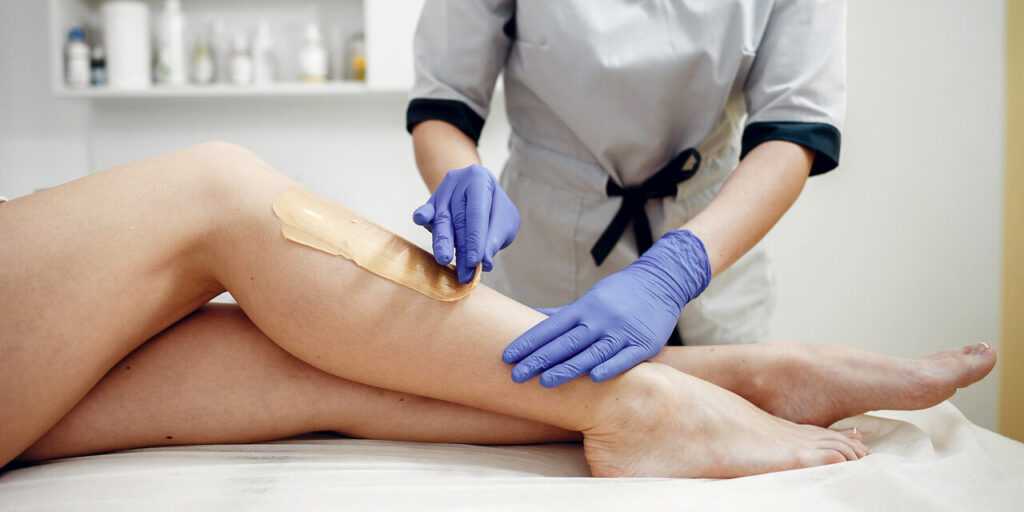
In a busy salon, hard wax has to fit the specialist’s working rhythm. When comparing hard wax from ItalWax, setting time is one of the key characteristics to examine because it affects application speed, removal timing, and the number of sections that can be treated efficiently during one appointment.
Fast-Setting Wax Suits Experienced, Rapid Work
Fast-setting formulas are useful when specialists perform many short appointments or work confidently with several sections in sequence. The wax reaches removal consistency quickly, so less time is spent waiting for each layer to become ready.
Speed should not compromise flexibility. If the wax hardens too rapidly and becomes brittle, removal may require smaller applications. This can reduce the time advantage that initially made the formula attractive.
Fast-setting wax is usually better suited to specialists who can control layer thickness and application timing consistently.
Slower Setting Gives More Application Control
A longer working window can be useful on areas where hair grows in several directions. Bikini zones and underarms, for example, may require careful placement to keep each application aligned with the intended removal technique.
Slower-setting formulas can also suit specialists who prefer to work on larger sections. The product remains workable long enough to create an even layer without rushing.
The ItalWax professional range includes waxes with different textures and working characteristics, so setting speed can be matched to the actual service rather than treated as an isolated specification.
Match Setting Time to the Treatment Area
Different body areas create different timing requirements. Small sections may benefit from rapid setting, while larger or more complex zones often need additional application time.
Several combinations are useful when selecting wax for salon work:
- fast-setting formulas suit small sections and specialists with a rapid application technique;
- medium setting time offers flexibility for mixed services and varied treatment areas;
- longer working time can support larger applications and zones that require precise shaping;
- elastic formulas are preferable when fast setting is needed without excessive brittleness;
- stable setting behavior helps several specialists follow the same timing during repeated treatments.
The same wax may set differently during a warm afternoon and in a cooler treatment room. Ambient temperature, skin warmth, application thickness, and the temperature of the wax itself can all affect how quickly the layer becomes ready for removal.
A fast-setting formula may harden too quickly in a cool room. In warmer conditions, a slower product may stay soft longer than expected. Specialists should follow the recommended working temperature and monitor consistency during the procedure rather than relying only on a fixed number of seconds.
Application Thickness Also Changes Timing
Thicker layers generally retain heat longer, while thin applications cool faster. The correct thickness should allow the wax to grip the hair, remain flexible, and form a reliable edge for removal.
If specialists frequently need to wait much longer than expected, the issue may be application thickness or wax temperature rather than the formula itself. Consistent technique makes it easier to judge whether a different setting speed is genuinely needed.
A practical professional range can include two distinct setting speeds for different procedures. Matching the ItalWax formula to treatment zone, specialist technique, room conditions, and appointment pace helps maintain efficient service without sacrificing control during application and removal.
 Benjamineckino Friedman writes the kind of beauty buzz content that people actually send to each other. Not because it's flashy or controversial, but because it's the sort of thing where you read it and immediately think of three people who need to see it. Benjamineckino has a talent for identifying the questions that a lot of people have but haven't quite figured out how to articulate yet — and then answering them properly.
They covers a lot of ground: Beauty Buzz, Beauty Product Optimization Tips, Expert Breakdowns, and plenty of adjacent territory that doesn't always get treated with the same seriousness. The consistency across all of it is a certain kind of respect for the reader. Benjamineckino doesn't assume people are stupid, and they doesn't assume they know everything either. They writes for someone who is genuinely trying to figure something out — because that's usually who's actually reading. That assumption shapes everything from how they structures an explanation to how much background they includes before getting to the point.
Beyond the practical stuff, there's something in Benjamineckino's writing that reflects a real investment in the subject — not performed enthusiasm, but the kind of sustained interest that produces insight over time. They has been paying attention to beauty buzz long enough that they notices things a more casual observer would miss. That depth shows up in the work in ways that are hard to fake.
Benjamineckino Friedman writes the kind of beauty buzz content that people actually send to each other. Not because it's flashy or controversial, but because it's the sort of thing where you read it and immediately think of three people who need to see it. Benjamineckino has a talent for identifying the questions that a lot of people have but haven't quite figured out how to articulate yet — and then answering them properly.
They covers a lot of ground: Beauty Buzz, Beauty Product Optimization Tips, Expert Breakdowns, and plenty of adjacent territory that doesn't always get treated with the same seriousness. The consistency across all of it is a certain kind of respect for the reader. Benjamineckino doesn't assume people are stupid, and they doesn't assume they know everything either. They writes for someone who is genuinely trying to figure something out — because that's usually who's actually reading. That assumption shapes everything from how they structures an explanation to how much background they includes before getting to the point.
Beyond the practical stuff, there's something in Benjamineckino's writing that reflects a real investment in the subject — not performed enthusiasm, but the kind of sustained interest that produces insight over time. They has been paying attention to beauty buzz long enough that they notices things a more casual observer would miss. That depth shows up in the work in ways that are hard to fake.