

Skincare is evolving far beyond hyaluronic acid and vitamin C. Today’s most exciting formulas feature next-generation ingredients designed to target skin at a cellular level, improve barrier function, and deliver longer-lasting results. But with every brand claiming a breakthrough, it’s hard to tell what’s truly innovative and what’s just clever marketing. This guide cuts through the noise. After reviewing extensive clinical research and formulation data, we’ve identified the emerging ingredients backed by real science. You’ll learn what these compounds do, how they work within the skin, and exactly what to look for on product labels to make smarter, results-driven choices.
The Microbiome Revolution: Bio-Ferments and Postbiotics
If your skin barrier had a group chat, bio-ferments and postbiotics would be the peacekeepers. Bio-ferments—like fermented rice water or galactomyces—are nutrient-dense liquids created when beneficial microorganisms break down natural ingredients. Postbiotics are the powerful byproducts of that fermentation process. Think of them as the “finished goods” after probiotics have done the heavy lifting.
Here’s why that matters. These ingredients help strengthen the skin’s moisture barrier (the outermost layer that keeps water in and irritants out), reduce inflammation, and balance your skin’s natural ecosystem—also called the microbiome. According to research published in Frontiers in Microbiology, postbiotic compounds can enhance barrier function and calm visible irritation.
The key benefits you’ll actually notice:
- Soothed irritation and less redness
- Improved hydration retention (skin feels bouncier, not tight)
- Gentle exfoliation for a brighter, smoother look
Some skeptics argue fermentation is just a trend—another buzzword in a sea of emerging skincare ingredients. Fair point. Not every product with “ferment” on the label is transformative. But well-formulated bio-ferments deliver amino acids, peptides, and antioxidants in highly absorbable forms, which makes them genuinely effective (not just marketing sparkle).
Here’s my recommendation: look for these ingredients in essences, lightweight serums, or barrier-repair moisturizers. Apply after cleansing and before heavier creams to maximize absorption. They’re generally suitable for all skin types, especially sensitive or compromised skin.
If your routine feels reactive or dull, this is where I’d start. Calm, resilient skin isn’t a trend—it’s the foundation.
Gentle Power: The Rise of Plant-Based Retinol Alternatives
Retinol has long been the gold standard for smoother, firmer skin—but not everyone loves the sting. Enter Bakuchiol and Rambutan, two of the most clinically backed plant-based alternatives delivering retinol-like results without the drama.
Bakuchiol, derived from the babchi plant, feels silky and lightweight as it melts into the skin. Rambutan, sourced from a tropical fruit, has a cushiony, hydrating texture that leaves skin soft and bouncy. Both work by stimulating collagen production (the protein that keeps skin firm) and accelerating cell turnover, meaning they help shed dull surface cells so fresher, brighter skin can emerge. Over time, this reduces the appearance of fine lines and improves overall texture.
The key differentiator? Minimal irritation. Traditional retinol can cause redness, peeling, and increased photosensitivity (skin becoming more sensitive to sunlight). Bakuchiol and Rambutan typically skip the flaking phase entirely, making them suitable for daily use—even on sensitive skin.
They’re ideal for:
- People who found retinol too harsh
- Pregnant individuals seeking gentler options
- Beginners building an anti-aging routine
As interest grows in emerging skincare ingredients, these botanicals prove you don’t need the burn to earn the glow.
Eco-Conscious Efficacy: Upcycled Ingredients Take Center Stage
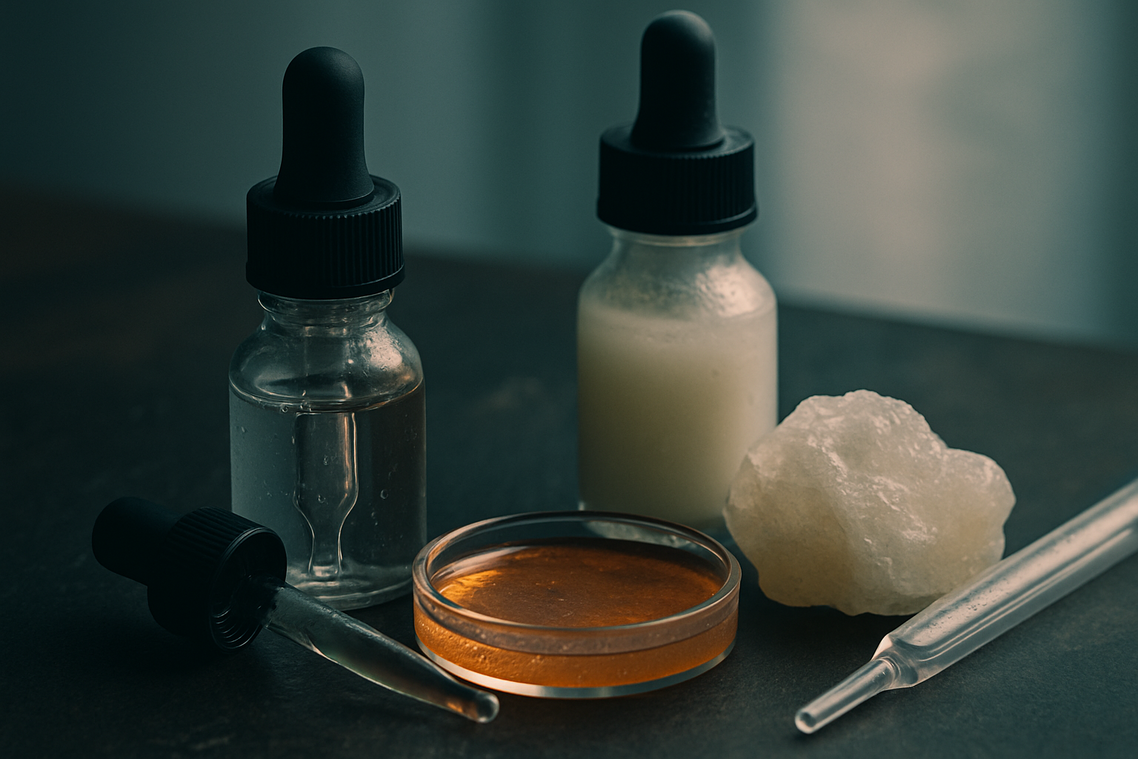
Back in 2019, “clean beauty” mostly meant what was left out of formulas. Fast forward to 2026, and the spotlight has shifted to what’s thoughtfully put in—specifically, upcycled ingredients. These are high-performance actives derived from byproducts of food and agriculture industries, such as fruit seeds, olive pulp, or coffee grounds (materials once discarded, now repurposed).
So, what makes them compelling?
- Blueberry seed oil – Sourced from the juicing industry, this lightweight oil is rich in antioxidants and essential fatty acids, which help defend against oxidative stress and support the skin barrier.
- Coffee oil – Extracted from leftover coffee grounds, it’s naturally high in caffeine, known to temporarily reduce puffiness and improve the look of tired skin.
Critics argue this is just clever marketing dressed in green packaging. And yes, not every product with a leafy label is revolutionary. However, when formulated well, these emerging skincare ingredients deliver measurable benefits while reducing waste streams—a dual advantage that’s hard to ignore.
Moreover, label literacy matters. Look for packaging that clearly states the ingredient’s origin story or certifications tied to sustainability. For a broader look at how this movement fits into the top beauty industry trends shaping 2026, pay attention to brands highlighting traceable sourcing (a subtle but telling clue).
Cellular Communication: Next-Generation Peptides and Growth Factors
Not all peptides are created equal. Think of older peptide complexes as mass emails—they send general signals to the skin, hoping the right cells respond. Next-generation peptides, on the other hand, act more like targeted DMs.
A vs. B: What’s the Difference?
- Traditional Peptides: Broad messaging, limited penetration, slower visible change.
- Signal Peptides + Drone-Delivery Systems: Precision targeting, deeper transport, amplified results.
Peptides are short chains of amino acids (the building blocks of proteins) that function as cellular messengers. They “tell” fibroblasts to produce more collagen (for firmness) or elastin (for bounce). Growth factors go a step further—they signal repair and regeneration at a cellular level.
With advanced delivery systems, these ingredients reach the exact skin cells responsible for sagging or deep wrinkles. That efficiency means more noticeable lift and smoother texture.
As emerging skincare ingredients evolve, precision beats quantity (more isn’t always better). Pro tip: Pair targeted peptides with sunscreen—new collagen needs protection to last.
Building Your Innovative Skincare Routine
You set out to understand which trends truly matter in today’s beauty world—and now you have clarity. bio-ferments, retinol alternatives, upcycled actives, and advanced peptides aren’t just buzzwords; they’re the cornerstones of smarter, results-driven skincare. No more wasting money on hype or guessing which ingredient will actually support your skin goals. By understanding the science behind these innovations, you can confidently choose formulas that align with your values and deliver visible improvements. When you shop next, check for at least one of these powerhouse categories. Want expert-backed routines and optimized product picks? Explore our top-rated guides and upgrade your glow today.
 Ask Kathryn Holmeseweads how they got into beauty buzz and you'll probably get a longer answer than you expected. The short version: Kathryn started doing it, got genuinely hooked, and at some point realized they had accumulated enough hard-won knowledge that it would be a waste not to share it. So they started writing.
What makes Kathryn worth reading is that they skips the obvious stuff. Nobody needs another surface-level take on Beauty Buzz, Beauty Product Optimization Tips, Expert Breakdowns. What readers actually want is the nuance — the part that only becomes clear after you've made a few mistakes and figured out why. That's the territory Kathryn operates in. The writing is direct, occasionally blunt, and always built around what's actually true rather than what sounds good in an article. They has little patience for filler, which means they's pieces tend to be denser with real information than the average post on the same subject.
Kathryn doesn't write to impress anyone. They writes because they has things to say that they genuinely thinks people should hear. That motivation — basic as it sounds — produces something noticeably different from content written for clicks or word count. Readers pick up on it. The comments on Kathryn's work tend to reflect that.
Ask Kathryn Holmeseweads how they got into beauty buzz and you'll probably get a longer answer than you expected. The short version: Kathryn started doing it, got genuinely hooked, and at some point realized they had accumulated enough hard-won knowledge that it would be a waste not to share it. So they started writing.
What makes Kathryn worth reading is that they skips the obvious stuff. Nobody needs another surface-level take on Beauty Buzz, Beauty Product Optimization Tips, Expert Breakdowns. What readers actually want is the nuance — the part that only becomes clear after you've made a few mistakes and figured out why. That's the territory Kathryn operates in. The writing is direct, occasionally blunt, and always built around what's actually true rather than what sounds good in an article. They has little patience for filler, which means they's pieces tend to be denser with real information than the average post on the same subject.
Kathryn doesn't write to impress anyone. They writes because they has things to say that they genuinely thinks people should hear. That motivation — basic as it sounds — produces something noticeably different from content written for clicks or word count. Readers pick up on it. The comments on Kathryn's work tend to reflect that.