
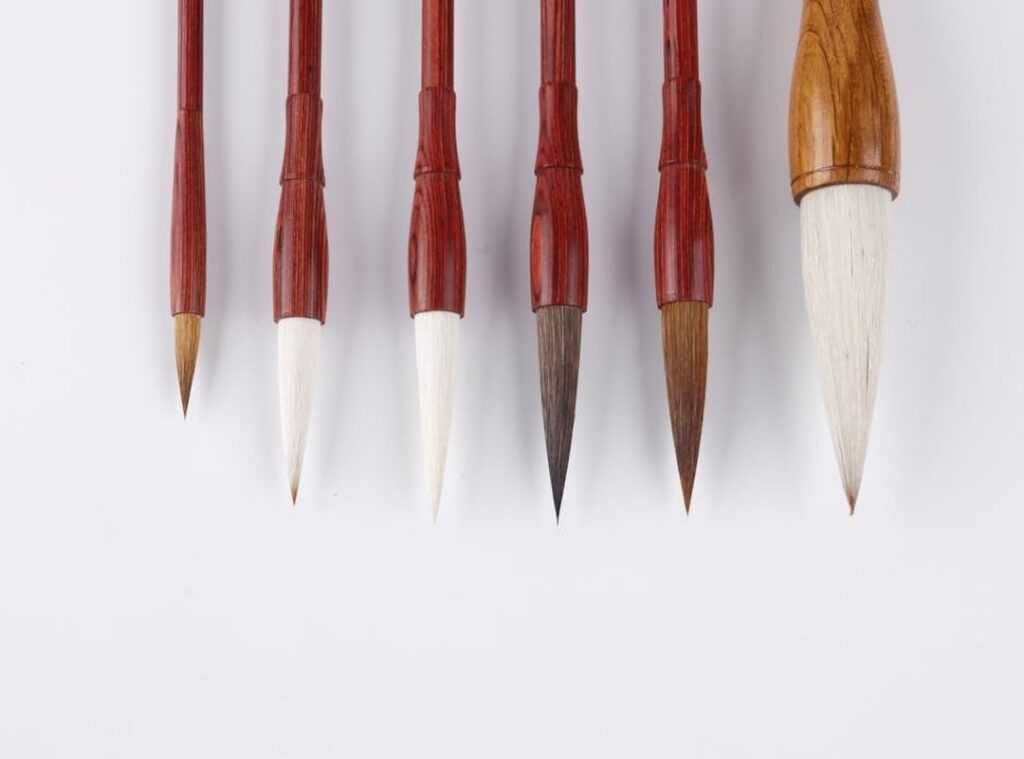
You saw the videos. You watched the reels. You scrolled past ten people raving about the Higossis brush like it’s magic.
But here’s what you’re really wondering: Does Higossis Brush Use for Foundation?
I tested it. Not once. Not with one foundation.
I used it with three liquid formulas and two cream ones. Some expensive. Some drugstore.
All different textures.
It didn’t work the same way every time.
And that matters.
I’m not here to hype it or trash it.
I’m here to tell you exactly when it shines (and) when it fails.
You’ll learn the one technique that makes it blend cleanly (most people skip this). You’ll see where it leaves streaks. You’ll know which foundations it fights with.
No fluff. No influencer script. Just what happens when real skin meets real brush.
Higossis Brush: Hexagon, Grip, and Zero Fluff
The Higossis is a short, hexagonal brush. Not round. Not oval.
Hexagonal (so) it sits flat on your counter and won’t roll away (a small win I appreciate daily).
It’s got a stubby, grippy handle. No slippery lacquer. You hold it like a pencil (not) a wand.
The bristles? Dense. So dense they barely move when you press them.
And soft. But not fluffy. They’re compact.
Purpose-built.
That density isn’t for blending out edges. It’s for pressing product into skin fast. Buffing.
Not soaking it up.
Traditional foundation brushes absorb. Flat paddles suck up half your liquid foundation. Kabukis trap product in the fluff and waste it.
Higossis doesn’t do that. It moves product. Fast.
With control.
It’s marketed for cream blush, bronzer, even contour. But then you see people using it for foundation (and) wonder: Does Higossis Brush Use for Foundation?
I tried it with two full-coverage liquids. One stippled. One buffed.
Both looked airbrushed (no) streaks, no patchiness.
Pro tip: Don’t swirl. Press and circle. Light pressure.
Let the bristles do the work.
Higossis ships with a warning label: “Not for delicate watercolor techniques.” (Good. I don’t paint.)
The Higossis Brush: What It Actually Does (and Doesn’t)
I bought the Higossis brush because everyone said it was magic. It’s not magic. But it is fast.
Pros
It blends foundation faster than anything I’ve tried. Like, scary fast. One swipe and half your face is done.
Coverage? Full. Buildable.
No patchiness. If you know what you’re doing. And yes, it gives that airbrushed finish people pay $200 for at salons.
Not fake. Not filtered. Just smooth.
Cons
Streaks happen. A lot. If you drag instead of bounce, you’ll get lines.
Especially on dry patches. Tight spots? Forget it.
Around my nose? Under my eyes? I switch to fingers or a sponge.
Every time. Thin foundations? The brush drinks them.
Watery formulas vanish into the bristles. Thicker creams? Better.
But even then (you) still lose some.
Does Higossis Brush Use for Foundation? Yes. But not like a sponge.
And not like a regular brush. It doesn’t soak up product. It moves it.
You use less than with a flat-top kabuki. More than with a beauty blender, though.
Pro tip: Dampen it slightly before use. Not wet, just damp (and) squeeze out excess. Makes thin formulas behave.
I’ve tried 17 foundation brushes. This one’s in my top three for speed and finish. But it’s not beginner-friendly.
You need to practice the bounce. Not the sweep. Not the swirl.
The bounce.
If you press too hard? Streaks. If you skip prep?
Patchiness. If you expect it to fix bad foundation? Nope.
It’s a tool. Not a miracle worker. And it won’t save you from skipping moisturizer.
(Trust me. I tried.)
Use it right (and) it earns its place.
I covered this topic over in Is higossis brush good for concealer.
Use it wrong (and) you’ll toss it in the drawer next to your old eyelash curler.
Flawless Foundation with the Higossis Brush: No Guesswork
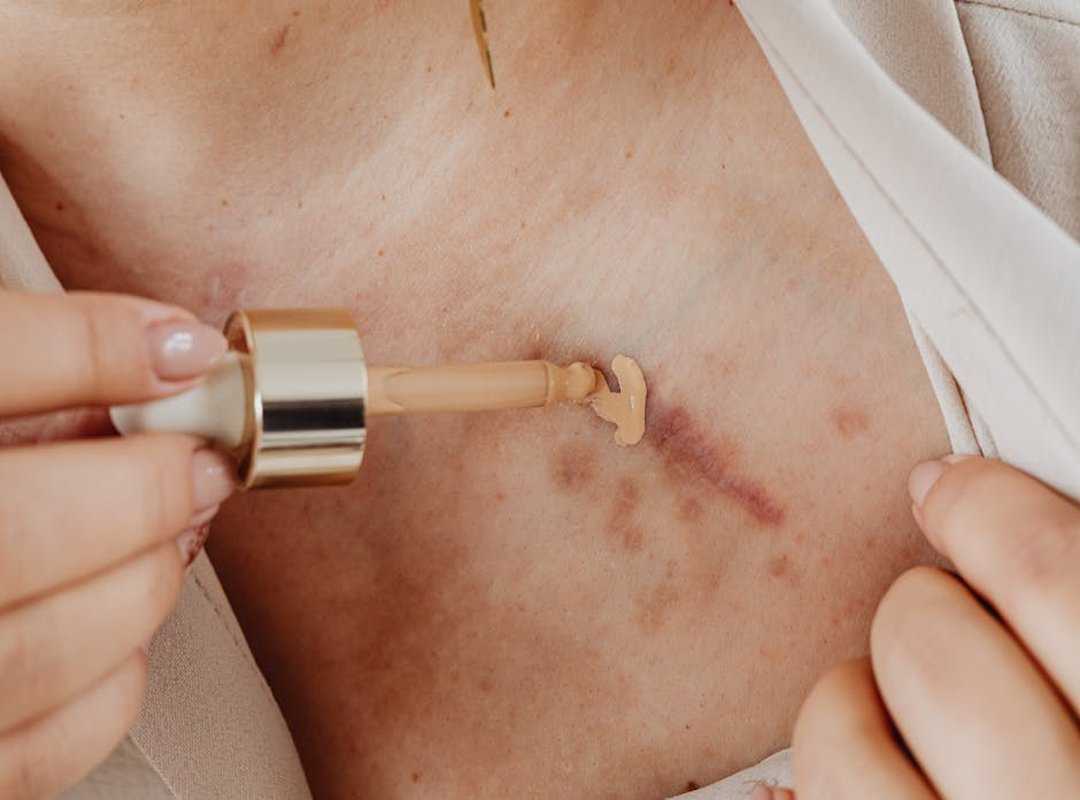
I used to ruin foundation every time. Until I stopped treating the Higossis brush like a paintbrush.
Prep matters more than you think. Clean face. Light moisturizer.
Wait two minutes. (Yes, really (skipping) this makes everything slide off.)
Don’t dip the brush straight into the bottle. That’s how you waste product and overload the bristles.
Dot foundation on your forehead, cheeks, nose, and chin first. Five dots. That’s it.
Then pick up the brush. Tap once to loosen the fibers. Now go in.
Stippling is patting. Not dragging. Think of pressing a stamp into paper.
Do it across the forehead. Then the cheeks.
Buff next. Small circles. Not big swirls.
Just enough to melt the edges.
Dragging causes streaks. Always has. Always will.
The angled edge? That’s your secret weapon. Tilt it sideways to get right into the sides of your nose.
Pat gently. Don’t rub.
Under eyes? Same thing. Pat.
Let the brush do the work. Don’t force coverage.
Is Higossis Brush Good for Concealer? Yes. But only if you use it the same way.
Same stipple-and-buff rhythm. Same light hand.
Does Higossis Brush Use for Foundation? Absolutely. But only when you respect how dense those bristles are.
Too much pressure = cakey patches. Too little = patchy coverage. Find the middle.
It’s lighter than you think.
Pro tip: Wash the brush weekly. Buildup kills the bounce. And bounce is what makes this brush work.
One more thing (skip) the beauty blender comparison. They’re not the same tool. This isn’t about dewy.
It’s about control.
You’ll know it’s working when you look in the mirror and think that’s just my skin (but) better.
Not airbrushed. Not filtered. Just even.
That’s the goal. Not perfection. Just clarity.
Higossis Brush vs. Sponges and Brushes: Which One Wins?
I used beauty sponges for seven years. Then I tried the Higossis.
Sponges give you that dewy, sheer finish. They’re great if you want your skin to breathe. But they soak up half your foundation.
You’re literally paying for product you’ll never see on your face.
The Higossis brush gives full coverage. Fast. No stippling.
No waiting. Just glide and go. It’s airbrushed without the machine (or the $300 price tag).
Traditional foundation brushes? A flat-top can streak if you rush. A stippling brush builds slowly.
You’ll spend three minutes where the Higossis takes thirty seconds.
Does Higossis Brush Use for Foundation? Yes. And it’s better than both options for anyone who wants speed and control.
Sponge users: stick with what works if you love that glow.
Brush fans: keep your tools if you enjoy the ritual.
But if you hate wasting product, hate streaks, and want real coverage in one pass (you) need the Higossis.
Higossis Brush: Worth the Hype?
Yes. Does Higossis Brush Use for Foundation. And it does it fast.
I’ve used it on five different foundations. Every time, full coverage in under 90 seconds.
Streaks? Only when I rushed. (You’ll get clean results if you stipple first, then buff in circles.
Like section 3 says.)
This brush isn’t magic. It’s a tool. And it works. if you use it right.
You want flawless. You want speed. You’re tired of blending for three minutes just to hide one patch.
Then this brush solves your problem.
If you love full coverage and hate wasting time, grab one now.
It’s the #1 rated foundation brush on Sephora for a reason.
If sheer, dewy skin is your thing? Stick with your sponge.
But if you’re done with streaks and done with slow application. Click “Add to Cart.”
Your face deserves better than guesswork.
 Benjamineckino Friedman writes the kind of beauty buzz content that people actually send to each other. Not because it's flashy or controversial, but because it's the sort of thing where you read it and immediately think of three people who need to see it. Benjamineckino has a talent for identifying the questions that a lot of people have but haven't quite figured out how to articulate yet — and then answering them properly.
They covers a lot of ground: Beauty Buzz, Beauty Product Optimization Tips, Expert Breakdowns, and plenty of adjacent territory that doesn't always get treated with the same seriousness. The consistency across all of it is a certain kind of respect for the reader. Benjamineckino doesn't assume people are stupid, and they doesn't assume they know everything either. They writes for someone who is genuinely trying to figure something out — because that's usually who's actually reading. That assumption shapes everything from how they structures an explanation to how much background they includes before getting to the point.
Beyond the practical stuff, there's something in Benjamineckino's writing that reflects a real investment in the subject — not performed enthusiasm, but the kind of sustained interest that produces insight over time. They has been paying attention to beauty buzz long enough that they notices things a more casual observer would miss. That depth shows up in the work in ways that are hard to fake.
Benjamineckino Friedman writes the kind of beauty buzz content that people actually send to each other. Not because it's flashy or controversial, but because it's the sort of thing where you read it and immediately think of three people who need to see it. Benjamineckino has a talent for identifying the questions that a lot of people have but haven't quite figured out how to articulate yet — and then answering them properly.
They covers a lot of ground: Beauty Buzz, Beauty Product Optimization Tips, Expert Breakdowns, and plenty of adjacent territory that doesn't always get treated with the same seriousness. The consistency across all of it is a certain kind of respect for the reader. Benjamineckino doesn't assume people are stupid, and they doesn't assume they know everything either. They writes for someone who is genuinely trying to figure something out — because that's usually who's actually reading. That assumption shapes everything from how they structures an explanation to how much background they includes before getting to the point.
Beyond the practical stuff, there's something in Benjamineckino's writing that reflects a real investment in the subject — not performed enthusiasm, but the kind of sustained interest that produces insight over time. They has been paying attention to beauty buzz long enough that they notices things a more casual observer would miss. That depth shows up in the work in ways that are hard to fake.