
If you’ve ever stood in the skincare aisle wondering whether to choose a scrub or an acid-based treatment, you’re not alone. Understanding chemical vs physical exfoliation is one of the most common — and most confusing — questions in any skincare routine. Choosing the wrong method for your skin type can lead to irritation, breakouts, or wasted money on products that don’t deliver results.
This article breaks down the real differences between these two exfoliation methods, how they work on the skin, who they’re best suited for, and how to use them safely for a smoother, brighter complexion. We draw on dermatological research, ingredient science, and proven formulation principles used in modern skincare to ensure the guidance is accurate, practical, and results-driven.
By the end, you’ll know exactly which option fits your skin goals — and how to exfoliate smarter, not harsher.
Exfoliation is the process of removing dead skin cells from the surface, helping newer, brighter cells emerge. Yet the debate over chemical vs physical exfoliation often sparks confusion. Physical exfoliants use small particles or tools to manually slough away buildup, like a facial scrub or cleansing brush. In contrast, chemical exfoliants rely on acids such as AHAs or BHAs to dissolve the bonds between cells. Some argue scrubs feel more effective, but sensation is not the same as results. Dermatologists note over-scrubbing can cause microtears and irritation. Meanwhile, acids may sound harsh, yet properly formulated options are controlled and targeted.
The Mechanics of Manual Renewal: Understanding Physical Exfoliation
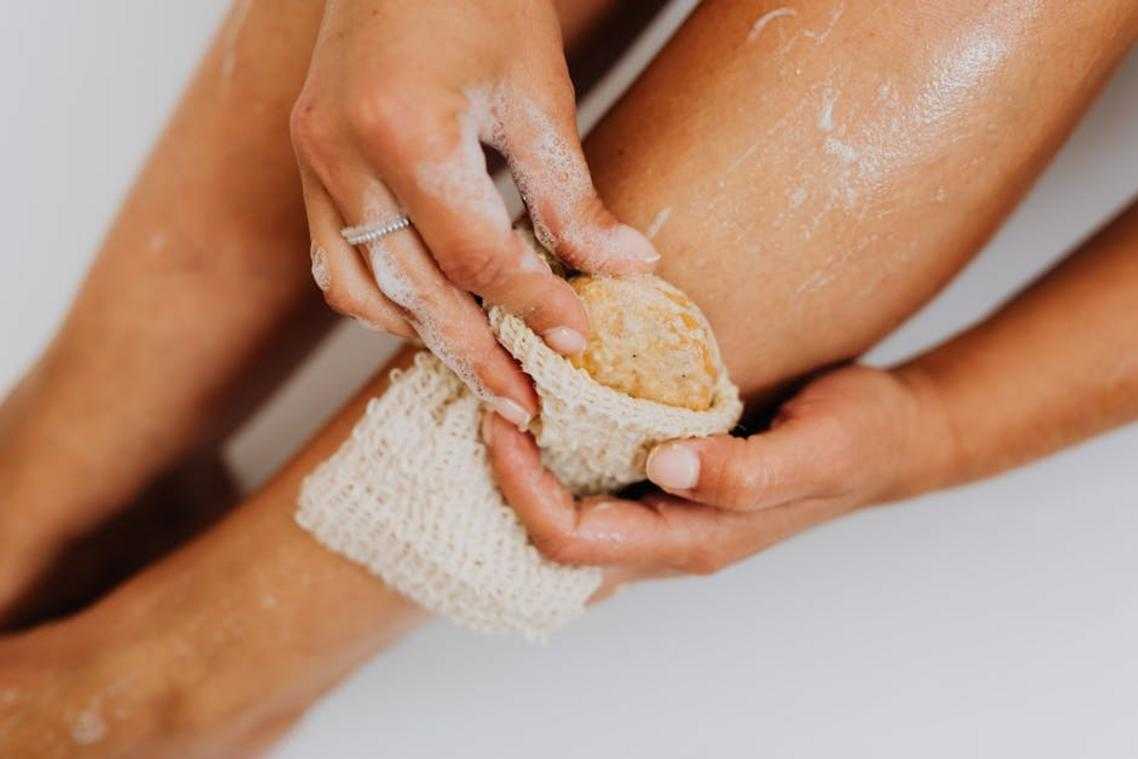
Physical exfoliation is exactly what it sounds like: using friction to manually remove dead skin cells from the skin’s surface. Instead of dissolving buildup, you’re polishing it away with small particles or textured tools (think of it like gently sanding a rough edge on wood).
Common methods include sugar or salt scrubs, rounded jojoba beads, manual or sonic facial brushes, and microfiber cloths. Each works by loosening and lifting dull surface cells.
| Method | How It Works | Best For |
|---|---|---|
| Sugar/Salt Scrubs | Granules buff away debris |
Body or resilient skin |
| Jojoba Beads | Smooth spheres reduce abrasion | Sensitive-leaning skin |
| Sonic Brushes | Rapid oscillation boosts lift | Deep cleansing routines |
| Microfiber Cloths | Fine fibers grip dead cells | Daily gentle upkeep |
The pros? Immediate smoothness, improved circulation (that post-scrub glow is real), and beginner-friendly control. However, there are trade-offs. Harsh particles or aggressive pressure can cause micro-tears—tiny, invisible skin injuries—and irritation. Uneven pressure may also worsen breakouts or redness.
So what’s next? You might be wondering about chemical vs physical exfoliation and which fits your routine. Generally, sensitive or acne-prone skin benefits from milder tools used sparingly. Start once weekly, observe your skin’s response, then adjust. (Your face shouldn’t feel like it lost a fight.)
The Science of Cellular Turnover: A Deep Dive into Chemical Exfoliation
Have you ever wondered why your skin can look dull even after cleansing? The answer often lies in cellular turnover—the natural process where dead skin cells shed and new ones rise to the surface. Chemical exfoliants speed this up by dissolving the “glue” (called desmosomes) that holds dead cells together, allowing them to slough off evenly.
When people debate chemical vs physical exfoliation, the real difference comes down to control. Instead of scrubbing manually, acids or enzymes do the work at a microscopic level (no gritty face sandpaper required).
Key Ingredients to Know
- AHAs (Alpha-Hydroxy Acids) like glycolic and lactic acid work on the skin’s surface. They’re ideal for dullness, uneven texture, and mild hyperpigmentation. Studies show glycolic acid can improve photoaged skin by stimulating collagen production (Journal of Dermatology, 1996).
- BHAs (Beta-Hydroxy Acids) such as salicylic acid penetrate oil-filled pores, making them effective for acne and blackheads (American Academy of Dermatology).
- PHAs (Poly-Hydroxy Acids) are larger molecules, meaning slower penetration and less irritation—great for sensitive skin.
Pros and Cons
Pros:
- More uniform exfoliation
- Targets acne and dark spots
- Often gentler than harsh scrubs when used correctly
Cons & Risks:
- Over-exfoliation
- Chemical burns
- Increased sun sensitivity
Are you introducing acids slowly, or layering them like a skincare smoothie gone wrong? Patch testing and gradual use matter. If you’re unsure, review these skincare routine mistakes that could damage your skin barrier (because glowing skin shouldn’t come at a cost).
Head-to-Head: Matching the Right Exfoliant to Your Skin Type
Exfoliation sounds simple—remove dead skin cells, reveal glow. But the real question is how you exfoliate. Understanding chemical vs physical exfoliation makes choosing easier (and saves your skin barrier from unnecessary drama).
For Oily & Acne-Prone Skin
If pores clog easily, BHAs (beta hydroxy acids) are your best friend. BHA is an oil-soluble chemical exfoliant—meaning it can travel through oil and clean inside pores. Salicylic acid is the most common example. It dissolves buildup instead of scrubbing it away.
A gentle physical scrub may help occasionally, but harsh grains can worsen inflammation (think of rubbing a bruise—never ideal).
For Dry & Dehydrated Skin
Dry skin lacks oil; dehydrated skin lacks water (yes, they’re different). AHAs like lactic acid exfoliate while attracting moisture. This makes them ideal for smoothing flaky texture without stripping hydration. In contrast, rough scrubs can create micro-tears and increase water loss.
For Sensitive & Rosacea-Prone Skin
Here, less is more. PHAs (polyhydroxy acids) work like AHAs but have larger molecules, so they penetrate slowly and irritate less. Enzyme exfoliants—often fruit-based—gently dissolve dead skin. Most physical methods are risky because friction can trigger redness.
For Combination Skin
Combination skin means different zones have different needs. Try:
- BHA on the T-zone
- AHA on dry areas
- Alternating nights to avoid overload
For Mature Skin
AHAs help stimulate collagen—the protein that keeps skin firm—while softening fine lines. Compared to abrasive scrubs, they refine texture without accelerating damage (pro tip: always pair with sunscreen, since exfoliation increases sun sensitivity).
The Final Glow-Up Plan
The verdict is simple: there’s no universal “best” exfoliant—only what works for your skin in your environment. In humid coastal cities, excess oil and pollution can clog pores faster (dermatologists call this “occlusive buildup”), while in drier inland climates, over-exfoliating can quietly wreck your barrier. That’s why understanding chemical vs physical exfoliation matters.
If you’ve ever dealt with redness after a harsh scrub or felt frustrated when dullness wouldn’t budge, you’ve experienced the pain point firsthand. The wrong method leads to micro-tears, irritation, or breakouts. The right one? A steady, lit-from-within glow (think less reality-TV drama, more red-carpet radiance).
Here’s your next move:
- Identify your main concern — acne, texture, hyperpigmentation, or dryness.
- Choose a starter formula — for example, a low-concentration BHA (salicylic acid, an oil-soluble exfoliant) for oily or congestion-prone skin.
- Patch test first — apply behind the ear or along the jawline for 24 hours.
- Start slow — 1–2 times weekly, adjusting based on tolerance.
Pro tip: If your skin stings longer than a few minutes, that’s not “working”—that’s irritation.
Consistency beats intensity. Build smart, and your complexion will follow.
Your Next Step to Healthier, Radiant Skin
You started this guide to finally understand chemical vs physical exfoliation and choose what truly works for your skin. Now you know the difference, the benefits of each method, and how to avoid the irritation, breakouts, or dullness that come from using the wrong approach.
The truth is, using the wrong exfoliation technique can keep your skin stuck—clogged pores, uneven texture, and products that never seem to deliver results. When you choose the right method for your skin type and goals, everything changes. Your glow improves. Your skincare absorbs better. Your routine actually works.
Now it’s time to take action. Assess your skin type, select the exfoliation method that aligns with your needs, and commit to a consistent routine designed for visible results. If you’re serious about clearer, smoother, more radiant skin, explore Moni Glow formulations and optimized beauty solutions trusted by skincare enthusiasts who demand real results. Don’t let dull skin hold you back—upgrade your routine today and start seeing the glow you’ve been missing.
 Ask Kathryn Holmeseweads how they got into beauty buzz and you'll probably get a longer answer than you expected. The short version: Kathryn started doing it, got genuinely hooked, and at some point realized they had accumulated enough hard-won knowledge that it would be a waste not to share it. So they started writing.
What makes Kathryn worth reading is that they skips the obvious stuff. Nobody needs another surface-level take on Beauty Buzz, Beauty Product Optimization Tips, Expert Breakdowns. What readers actually want is the nuance — the part that only becomes clear after you've made a few mistakes and figured out why. That's the territory Kathryn operates in. The writing is direct, occasionally blunt, and always built around what's actually true rather than what sounds good in an article. They has little patience for filler, which means they's pieces tend to be denser with real information than the average post on the same subject.
Kathryn doesn't write to impress anyone. They writes because they has things to say that they genuinely thinks people should hear. That motivation — basic as it sounds — produces something noticeably different from content written for clicks or word count. Readers pick up on it. The comments on Kathryn's work tend to reflect that.
Ask Kathryn Holmeseweads how they got into beauty buzz and you'll probably get a longer answer than you expected. The short version: Kathryn started doing it, got genuinely hooked, and at some point realized they had accumulated enough hard-won knowledge that it would be a waste not to share it. So they started writing.
What makes Kathryn worth reading is that they skips the obvious stuff. Nobody needs another surface-level take on Beauty Buzz, Beauty Product Optimization Tips, Expert Breakdowns. What readers actually want is the nuance — the part that only becomes clear after you've made a few mistakes and figured out why. That's the territory Kathryn operates in. The writing is direct, occasionally blunt, and always built around what's actually true rather than what sounds good in an article. They has little patience for filler, which means they's pieces tend to be denser with real information than the average post on the same subject.
Kathryn doesn't write to impress anyone. They writes because they has things to say that they genuinely thinks people should hear. That motivation — basic as it sounds — produces something noticeably different from content written for clicks or word count. Readers pick up on it. The comments on Kathryn's work tend to reflect that.