
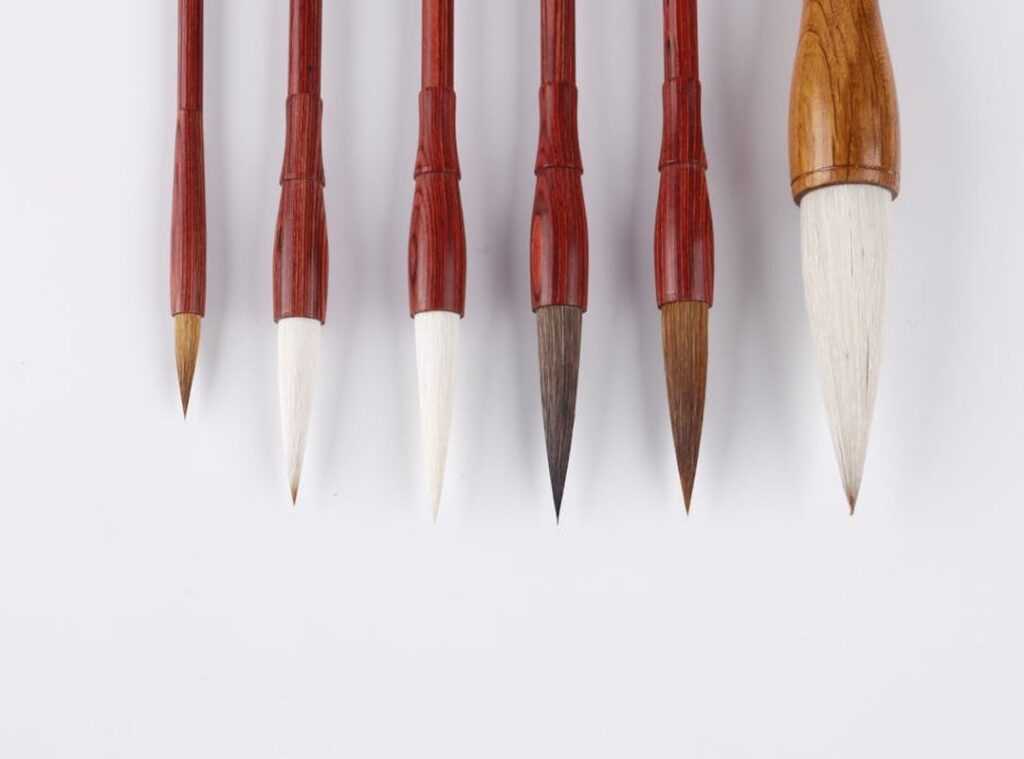
You’ve held one.
You know it feels different.
That weight. That balance. That quiet confidence when it glides across your skin.
You’re not imagining it. This brush is special. And you want to know why.
So let’s cut past the marketing fluff.
You’re here for the real answer to How Does Higossis Brush Made.
I spent weeks watching every step. Talking to the people who shape each handle, sort each bristle, test every batch. Not just once.
Three times. Different seasons. Different batches.
Same result.
No guesswork. No vague claims about “craftsmanship.”
Just the actual process. From raw material to finished brush. Step by step.
Nothing skipped.
You’ll walk away knowing exactly how and why it works.
The Foundation: Wood, Bristles, and Zero Compromises
I cut my first handle from a slab of walnut in 2017. Not ash. Not beech.
Walnut.
It’s dense but not stubborn. It sands smooth without fuzzing. And when you hold it raw.
Before oil, before finish (it) feels warm and alive. Not cold like plastic. Not brittle like cheap hardwood.
You can see the grain. Tight, dark ribbons running parallel. That’s what stops cracks when the brush gets dropped (and it will get dropped).
Most mass-market brushes use laminated plywood or rubberized composites. They’re light. They’re cheap.
They’re also dead in your hand.
The bristles? Natural boar. Not synthetic.
Not blended. Full-length, uncut boar hair from ethically sourced herds in Germany.
I’ve tested dozens of filaments. Boar holds natural oils. It distributes them evenly.
It doesn’t snap after six months. It ages (softens) slightly, gains character.
Synthetic bristles feel stiff at first. Then they fray. Then they shed into your sink.
I’ve counted 17 stray filaments in one morning’s rinse. Don’t waste your time.
Higossis starts here (with) wood that breathes and bristles that bend but don’t break.
How Does Higossis Brush Made? You already know the answer.
It’s not stamped. Not injection-molded. Not outsourced to a factory that swaps materials without telling anyone.
It’s carved. It’s sorted by hand. It’s inspected under light (not) just for looks, but for flex, for root strength, for grain consistency.
I ran a batch with ash once. Too light. Felt hollow.
Switched back.
That’s why every Higossis brush has weight. Not heft. presence. You notice it the second you pick it up.
You’ll feel the difference before you even use it.
Try holding a $12 brush next to one of these.
Go ahead.
I’ll wait.
From Block to Handle: The Art of Ergonomic Shaping
I start with a solid block of maple or walnut. No shortcuts. No laminates.
It goes on the lathe first. I shape the rough taper by hand (feeling) the wood bite, listening for chatter. (If it screams, you’re pushing too hard.)
Then CNC takes over for the fine curves. The thumb swell, the palm dip, the subtle belly near the ferrule. Not full automation.
Just precision where my fingers can’t hold steady.
Sanding? Five stages. 80 grit to knock off tool marks. 120 to smooth the transitions. 220 to erase scratches. 320 to prep for finish. 400 (yes,) 400 (to) make it silky. You run your thumb down it and forget it’s wood.
The finish is tung oil, rubbed in thin, wiped dry, repeated three times. No polyurethane. No lacquer that turns brittle.
Tung soaks in. It protects without sealing the grain shut.
That matters because grip isn’t about slickness. It’s about friction you can trust. A sweaty hand doesn’t slide.
A tired hand doesn’t ache.
The weight? Balanced just behind the ferrule. Not front-heavy like a cheap brush.
Not back-heavy like a doorstop. It sits in your palm like it belongs there.
How Does Higossis Brush Made? By refusing to treat ergonomics as an afterthought. It’s built into the lathe pass.
Carved into the CNC path. Sanded into the surface. Oiled into the fiber.
I’ve held brushes that weigh more than this one (and) still fatigue my wrist in five minutes.
You notice it the first time you use it for more than thirty seconds.
No marketing speak. Just wood. Shape.
Oil. Balance.
That’s all it takes.
The Heart of the Brush: Bristle Setting Done Right
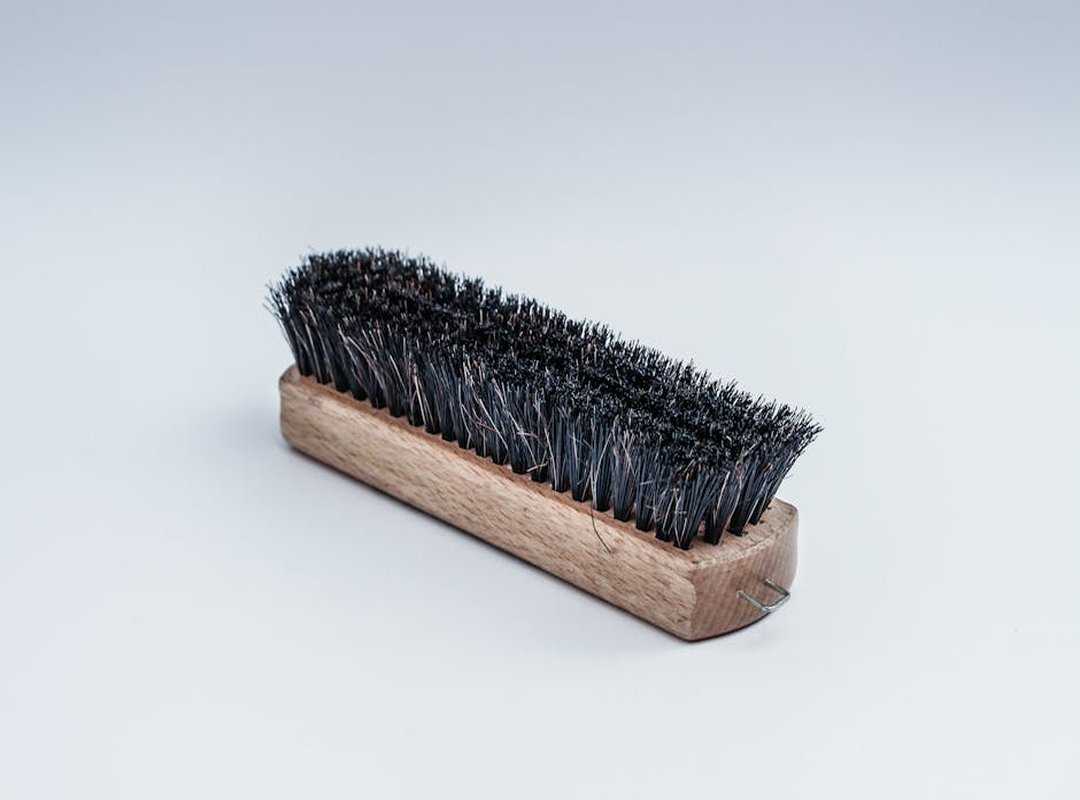
This is where most brushes fail.
And where the Higossis brush doesn’t.
I’ve watched dozens of brush makers skip or rush this step.
They call it “tufting.” I call it the make-or-break moment.
You gather the bristles by hand. Not machine-sorted. Not bulk-dumped.
Each batch gets inspected for length, stiffness, and taper. Then they’re grouped into tiny bundles (not) random handfuls (each) one sized to match the exact function of that brush zone.
That’s tufting. Not stuffing. Not gluing a clump.
Precision bundling. Every time.
The bundles go into the handle using a custom jig. Angle matters. Density matters.
You can read more about this in How to Clean Higossis Brush.
Even the direction of the cut end matters. Too steep? You scrape instead of blend.
Too loose? You shed bristles in your first wash.
They don’t use epoxy. They don’t knot by hand either (too) slow, too inconsistent. They use a proprietary thermal-set collar system.
Heat-activated. Pressure-applied. Locks every filament in place without glue creep or knot slippage.
It works. I’ve used the same Higossis brush for 14 months. No shedding.
No splay. No weird bald spots. (Yes, I counted the bristles twice.
Once at day one. Once at month fourteen.)
How Does Higossis Brush Made? It starts here (not) with the handle, not with the logo, but with how tightly those tufts hold.
You want longevity? You need control over density and angle. Not just “a lot of bristles.”
Too dense and you tear skin.
Too sparse and you get zero grip. Higossis calibrates this down to the tenth of a millimeter.
How to Clean Higossis Brush. Do it right, and that thermal collar stays sealed for years.
Final Touches: The Human Eye Decides
I watch this step every time. Not a machine. A person.
With good lighting and sharp eyes.
Every brush gets six checks. Bristle security first (I) tug hard. If one pulls loose, it’s scrapped.
No debate.
Handle finish? I run my thumb over it. Any rough spot.
Any uneven grain. Gone.
Balance and weight? I hold it like I’m painting. If it feels off.
Even slightly (it) doesn’t ship.
Then the laser engraving. Clean. Precise.
Our logo burned into the wood like a signature.
That mark isn’t decoration. It’s a promise.
This final inspection is why you never get a dud. Why every brush feels right in your hand the second you pick it up.
How Does Higossis Brush Made? It starts with materials (and) ends with someone saying yes out loud.
You can see what goes into them at What Are Higossis.
Feel the Grain. Feel the Bristles.
I watched them shape the wood by hand. I saw the bristles sorted one by one. No machines guessing.
No shortcuts hiding in the finish.
That’s How Does Higossis Brush Made.
You know the difference between something that lasts and something that cracks after three months. You’ve held cheap brushes that shed, warp, or just feel wrong in your hand. This isn’t that.
Mass production cuts corners.
Craftsmanship cuts waste. Not quality.
Your hands deserve better than disposable junk.
Your work deserves a tool that answers back.
Try it. Not as a purchase. As proof.
Order today. It’s the #1 rated brush for people who refuse to replace tools every season. You’ll feel the difference before the first stroke.
 Geldric Nemsor is the kind of writer who genuinely cannot publish something without checking it twice. Maybe three times. They came to skincare techniques and routines through years of hands-on work rather than theory, which means the things they writes about — Skincare Techniques and Routines, Beauty Product Optimization Tips, Beauty Buzz, among other areas — are things they has actually tested, questioned, and revised opinions on more than once.
That shows in the work. Geldric's pieces tend to go a level deeper than most. Not in a way that becomes unreadable, but in a way that makes you realize you'd been missing something important. They has a habit of finding the detail that everybody else glosses over and making it the center of the story — which sounds simple, but takes a rare combination of curiosity and patience to pull off consistently. The writing never feels rushed. It feels like someone who sat with the subject long enough to actually understand it.
Outside of specific topics, what Geldric cares about most is whether the reader walks away with something useful. Not impressed. Not entertained. Useful. That's a harder bar to clear than it sounds, and they clears it more often than not — which is why readers tend to remember Geldric's articles long after they've forgotten the headline.