

If your skin still feels tight, looks dull, or shows early signs of aging despite using a daily moisturizer, you’re not alone. The truth is, surface-level creams often fail to deliver the deep, lasting results your complexion truly needs. This guide explores the next generation of hydration complex skincare, breaking down the science-backed ingredients and advanced formulations designed to work beneath the surface. You’ll discover how targeted components improve texture, restore tone, and support cellular moisture balance—so you can build a routine that creates visibly plump, radiant, and resilient skin that lasts.
The Science of Thirsty Skin: Beyond the Surface Layer
Healthy skin isn’t just about what you put on it—it’s about what your skin can hold onto. At the center of this is the lipid barrier, a protective layer made of ceramides, cholesterol, and fatty acids. Think of it as mortar between bricks (your skin cells). When intact, it locks in moisture and shields against pollution, UV rays, and irritants.
When this barrier weakens, Transepidermal Water Loss (TEWL) increases. TEWL is the passive evaporation of water from your skin into the air. A little is normal. Too much? That’s chronic dehydration—tightness, dullness, fine lines. Studies show barrier disruption directly increases TEWL rates (American Academy of Dermatology).
Here’s where A vs B matters:
- Basic Creams (Occlusives + Humectants) – Petrolatum seals. Hyaluronic acid attracts water. Relief feels instant—but often temporary.
- Barrier Repair Formulas – Lipid-replenishing blends and hydration complex skincare work to rebuild structure, reducing TEWL long term.
Some argue, “If it feels hydrated, it is.” Not quite. That’s like refilling a leaky bucket without patching the hole (we’ve all done it).
The goal isn’t just adding water—it’s reinforcing your skin’s ability to retain it. True advanced hydration supports structure first, glow second. For more on ingredient science, explore the science behind brightening serums and even tone.
Next-Generation Hydrators: The Ingredients Powering Modern Skincare
Modern moisturizers aren’t just “creams.” They’re carefully engineered systems designed to pull water in, keep it there, and repair the skin barrier. Let’s break down the standout ingredients—without the chemistry degree.
Polyglutamic Acid (PGA) is a humectant, meaning it attracts water to the skin. What makes it special? Studies show it can hold up to four times more moisture than hyaluronic acid (Journal of Cosmetic Dermatology, 2021). Instead of diving deep, PGA forms a lightweight film on the surface, reducing transepidermal water loss (TEWL)—that’s the evaporation of water from your skin. Think of it like cling wrap, but breathable (and far more glamorous).
Multi-Molecular Weight Hyaluronic Acid sounds complicated, but it simply means different molecule sizes in one formula. Smaller molecules penetrate deeper layers for longer-lasting hydration, while larger ones hydrate the surface for that immediate plump look. It’s hydration from the inside out—like layering a jacket over a sweater.
Ceramides are lipids (fats) naturally found in your skin. They act as the “mortar” between skin cells—the “bricks.” Without enough ceramides, your barrier weakens. Effective formulas often include:
- Ceramide NP
- Ceramide AP
- Ceramide EOP
Together, these help repair and strengthen compromised skin barriers (American Academy of Dermatology).
Beta-Glucan, derived from oats or mushrooms, is both soothing and deeply hydrating. Research shows it can reduce redness while enhancing moisture retention (International Journal of Molecular Sciences, 2019).
When combined in a hydration complex skincare formula, these ingredients deliver multi-level moisture, barrier repair, and visible calm—no guesswork required.
Achieving a Flawless Complexion: Ingredients for Tone and Texture
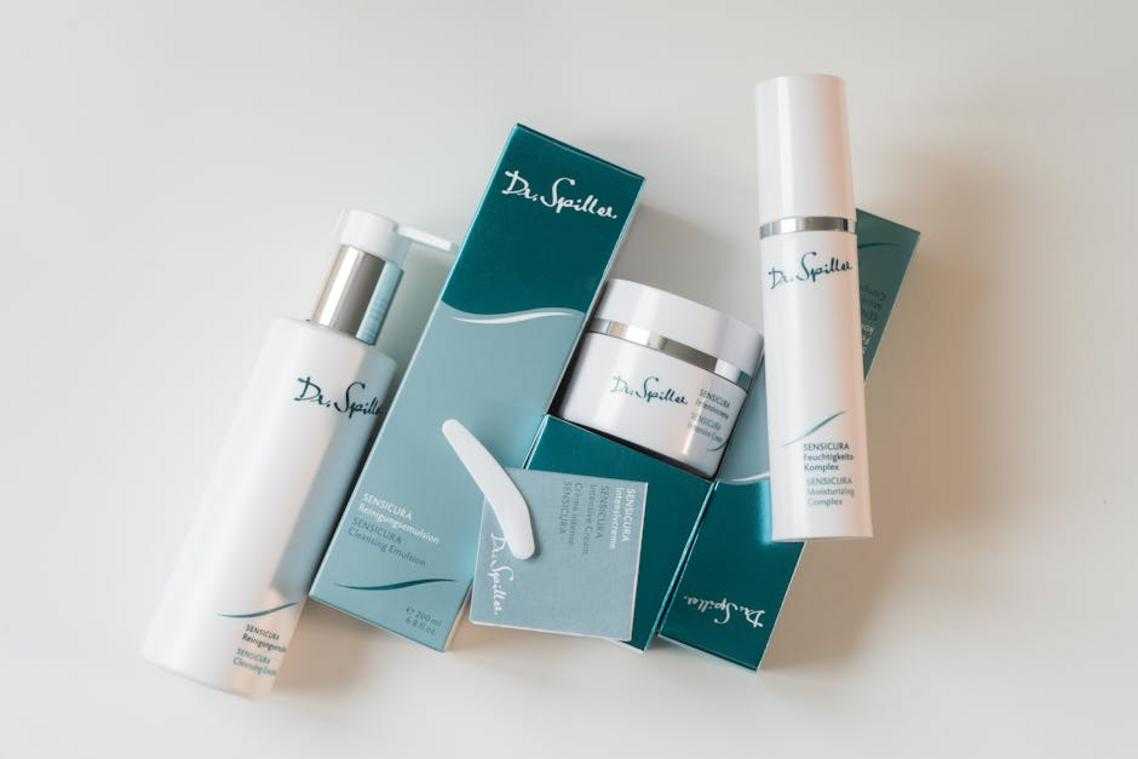
A flawless complexion isn’t about filters—it’s about formulas backed by evidence. The right ingredients can visibly improve tone, texture, and clarity, and research supports it.
Niacinamide (Vitamin B3) does more than “brighten.” Clinical studies show concentrations of 2–5% can significantly reduce sebum production and minimize the appearance of enlarged pores over 8–12 weeks (Draelos, 2006). By strengthening the skin barrier (the outer protective layer that prevents water loss), niacinamide also improves uneven tone and redness. Think of it as the multitasker of skincare—steady, reliable, and rarely dramatic (in a good way).
Tranexamic Acid targets discoloration at its source. Originally used in medicine to reduce bleeding, it’s now proven to inhibit plasmin activity in skin, interrupting excess melanin production. A 2019 study in the Journal of Clinical and Aesthetic Dermatology found noticeable improvement in melasma and post-inflammatory hyperpigmentation (PIH) after consistent use. If dark spots feel stubborn, this is your precision tool.
Bakuchiol, a plant-derived retinol alternative, has clinical backing too. A 2018 study published in the British Journal of Dermatology showed bakuchiol improved wrinkles and pigmentation comparably to retinol—without the irritation. That means smoother texture and improved elasticity, minus the flaking phase (your skin will thank you).
Encapsulated Vitamin C uses protective coating technology to prevent oxidation, ensuring stable delivery into the skin. Stable L-ascorbic acid has been shown to stimulate collagen production and reduce oxidative stress (Pullar et al., 2017). When paired with hydration complex skincare, results are amplified.
• Brighter tone
• Refined texture
• Stronger barrier
Proof matters. Ingredients matter more.
Building Your Advanced Routine: How to Layer for Maximum Impact
The golden rule is simple: apply from thinnest to thickest consistency. Think essence, serum, then cream (yes, texture matters more than hype).
- Start with hydration. Apply Hyaluronic Acid or PGA serums on damp skin so they pull water inward, not out. I’ll admit, scientists still debate optimal humidity levels, but damp skin consistently performs better.
- Seal strategically. A ceramide-rich moisturizer locks everything in, reducing TEWL (transepidermal water loss).
- Time it right. Vitamin C protects by day; Bakuchiol supports overnight repair.
A hydration complex skincare routine builds impact.
Your Blueprint for Radiant, Deeply Nourished Skin
You set out to achieve skin that looks truly radiant and deeply nourished—not just temporarily moisturized. Now you understand that real results come from repairing your barrier, layering advanced hydrators, and choosing clinically backed ingredients that treat dryness and dullness at the source.
When dehydration, irritation, and uneven tone keep coming back, it’s a sign your routine needs more than basics. A strategic hydration complex skincare approach with ceramides, PGA, Tranexamic Acid, and Bakuchiol helps restore balance and deliver visible glow that lasts.
Don’t settle for surface-level results. Upgrade your routine today with science-driven formulas designed to transform your skin—starting now.
 Geldric Nemsor is the kind of writer who genuinely cannot publish something without checking it twice. Maybe three times. They came to skincare techniques and routines through years of hands-on work rather than theory, which means the things they writes about — Skincare Techniques and Routines, Beauty Product Optimization Tips, Beauty Buzz, among other areas — are things they has actually tested, questioned, and revised opinions on more than once.
That shows in the work. Geldric's pieces tend to go a level deeper than most. Not in a way that becomes unreadable, but in a way that makes you realize you'd been missing something important. They has a habit of finding the detail that everybody else glosses over and making it the center of the story — which sounds simple, but takes a rare combination of curiosity and patience to pull off consistently. The writing never feels rushed. It feels like someone who sat with the subject long enough to actually understand it.
Outside of specific topics, what Geldric cares about most is whether the reader walks away with something useful. Not impressed. Not entertained. Useful. That's a harder bar to clear than it sounds, and they clears it more often than not — which is why readers tend to remember Geldric's articles long after they've forgotten the headline.
Geldric Nemsor is the kind of writer who genuinely cannot publish something without checking it twice. Maybe three times. They came to skincare techniques and routines through years of hands-on work rather than theory, which means the things they writes about — Skincare Techniques and Routines, Beauty Product Optimization Tips, Beauty Buzz, among other areas — are things they has actually tested, questioned, and revised opinions on more than once.
That shows in the work. Geldric's pieces tend to go a level deeper than most. Not in a way that becomes unreadable, but in a way that makes you realize you'd been missing something important. They has a habit of finding the detail that everybody else glosses over and making it the center of the story — which sounds simple, but takes a rare combination of curiosity and patience to pull off consistently. The writing never feels rushed. It feels like someone who sat with the subject long enough to actually understand it.
Outside of specific topics, what Geldric cares about most is whether the reader walks away with something useful. Not impressed. Not entertained. Useful. That's a harder bar to clear than it sounds, and they clears it more often than not — which is why readers tend to remember Geldric's articles long after they've forgotten the headline.