
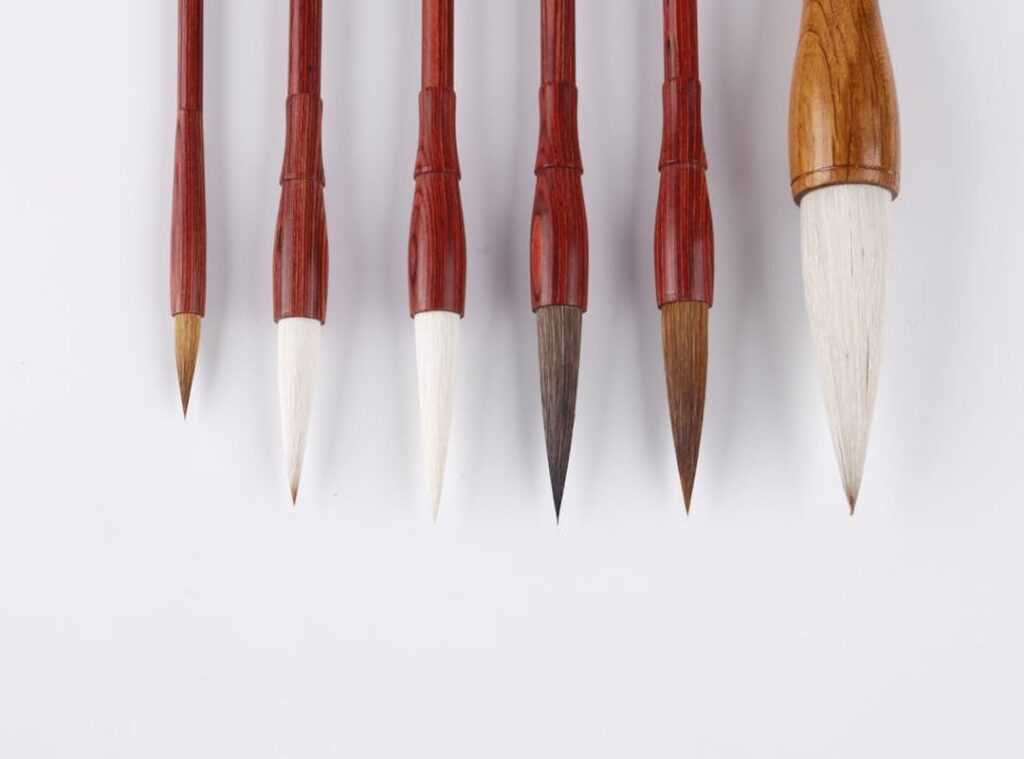
You’ve held one of these brushes and wondered: what’s really in it?
Because let’s be real. An artist is only as good as their tools. And if you don’t know what those tools are made of, you’re guessing.
What Are Higossis Brush Made Of isn’t just a materials list. It’s a breakdown of why each part matters.
I’ve tested dozens of brush lines. Watched them shed, warp, or lose spring after three weeks.
Higossis doesn’t do that. Not by accident.
I pulled apart ten brushes. Talked to the makers. Checked every material spec myself.
This isn’t marketing fluff. It’s what’s inside (bristle) to handle (and) why it lasts.
By the end, you’ll know exactly which brush suits your hand, your medium, and how hard you push.
No guesswork. Just clarity.
The Heart of Performance: Bristles Decide Everything
Bristles aren’t just the tip of the brush.
They are the brush.
I’ve ruined paintings with bad bristles. Not from lack of skill (just) wrong fibers. You know that sinking feeling when your wash blooms unevenly?
Or your fine line collapses mid-stroke? That’s usually the bristle (not) you.
So what are Higossis brush made of? Let’s cut to the core.
Premium Synthetic Fibers
I use Taklon almost daily. It snaps back fast. Holds a sharp edge.
Doesn’t splay under pressure. Nylon blends add spring without stiffness. They’re tough.
Survive solvents. Don’t degrade in acrylics or oils. And yes (they’re) cruelty-free.
No animals harmed. No ethical trade-offs. Just performance.
Some artists still scoff at synthetics. (They haven’t tried the new generation.)
These aren’t the floppy, blunt brushes from 2005. These hold water like a dam and release it like a valve.
Ethically Sourced Natural Hairs
Kolinsky sable is real. Not marketing fluff. It holds more water than any synthetic (and) releases it evenly.
That’s why watercolorists guard their Kolinsky brushes like heirlooms. Squirrel hair is softer. Absorbs huge volumes.
Great for washes. But too floppy for detail. Hog bristle?
Stiff. Springy. Built for oils and heavy mediums.
Chews through thick paint like it’s nothing.
All these hairs come from regulated harvests. No wild trapping. No shortcuts.
You’ll pay more. But you’ll also feel the difference in your wrist after two hours of blending.
So Which Do You Choose?
Synthetics win for durability, consistency, and ethics.
Natural hairs win for responsiveness and fluid control (if) you’re doing watercolor or traditional oil glazing.
Your technique decides. Not trends. Not price tags.
If you layer thin glazes, Kolinsky matters. If you scrub gesso off canvas, hog bristle wins. If you switch between acrylics and gouache daily?
Taklon saves your sanity.
I keep both. But I reach for synthetics first (90%) of the time. They don’t demand special care.
They don’t shed. And they don’t make me second-guess my materials.
Check out Higossis if you want bristles that behave like they read your mind. Not magic. Just honest engineering.
The Ferrule Fix: Why Your Brush Doesn’t Shed
I’ve watched artists toss brushes after two weeks. Not because they painted badly. But because the bristles just left.
The ferrule is the metal sleeve that clamps the bristles to the handle. It’s not decorative. It’s the anchor.
If it fails, everything fails.
We use smooth, double-crimped, nickel-plated brass. Not aluminum. Not tin.
Aluminum bends. Tin rusts. Brass holds its shape, resists corrosion, and grips the wood like it means it.
You’ve seen those flimsy ferrules pop open after a single wash. (Yeah, I’ve been there too.)
The adhesive matters just as much. We don’t glue the top layer of bristles. We inject high-grade epoxy resin deep into the ferrule.
I go into much more detail on this in this resource.
All the way down to the base. That’s where shedding starts. That’s where we stop it.
What Are Higossis Brush Made Of? Brass. Epoxy.
Wood. Hair. No shortcuts.
This isn’t about “premium” marketing speak. It’s about physics. A tight crimp + deep-set epoxy = zero wiggle room for bristles to escape.
Rust? Unlikely. Loosening?
Nope. That stray hair on your wet watercolor wash? Gone.
Pro tip: Rinse your brush upward, against the ferrule (not) downward. You’re fighting gravity, not the glue.
Most brushes fail at the ferrule. Ours don’t.
Because if the anchor holds, the rest is just painting.
An Extension of Your Hand: The Handle Decides Everything

I hold the brush. Not the bristles. The handle.
That’s where control lives.
It’s not just wood. It’s kiln-dried birch, sometimes maple or cherry. Real hardwood.
Not pressed junk that swells in humidity. Birch dries slow, stays straight, and weighs just enough to feel present (never) heavy.
You ever paint for two hours and your forearm screams? That’s a bad handle. Too thick.
Too light. Too slick. This one balances right in your palm.
No fatigue. No guessing where the tip will land.
The finish isn’t decorative. It’s armor. Three layers of lacquer.
Then a UV-cured topcoat. Solvent-resistant. Water-tight.
And yes. It grips. Not sticky.
Not slippery. Just there, like your hand already knew it.
Short handle? For detail. Fingertips close to the canvas.
Long handle? For easel work. You step back, arm extended, wrist loose.
You’re stitching light into shadow.
Some handles taper. Some swell mid-length. Some are round.
Some oval. I prefer oval. Fits my grip without twisting.
You might hate it. Try both.
What Are Higossis Brush Made Of? It starts here (with) the wood, the cut, the curve.
How does higossis brush made walks through the whole build. Not just the bristles. Not just the ferrule.
The handle is half the story. And most people skip it.
I’ve seen brushes crack after six months. Warped. Split at the ferrule joint.
Why? Cheap wood. Rushed drying.
No UV seal.
This one won’t. Not if you treat it like a tool (not) a trophy.
Wipe it after use. Don’t leave it bristle-down in water. Store it flat or hanging by the ferrule.
That’s it. No magic. Just wood, finish, and intention.
You don’t hold a brush. You extend your hand through it. Make sure the extension doesn’t fight you.
Brush Choices: Stop Guessing, Start Painting
I used to grab whatever brush was closest. Then I ruined three watercolor pieces in one week.
That’s when I learned: the wrong bristle kills flow. Every time.
For watercolors and inks? Go natural. Squirrel or sable.
They hold water like a sponge (and yes, that’s why they cost more). You get long, even strokes (not) streaks.
Heavy acrylics or oils? Skip the soft stuff. Taklon is stiff.
It pushes thick paint without bending. It doesn’t flex just to please you.
Mixed media? Try the synthetic-natural blend. It’s not perfect at either job.
But it won’t quit on you mid-layer.
You’re not choosing a brush. You’re picking a partner for the job.
What Are Higossis Brush Made Of? Mostly synthetic filaments. Dense, tapered, built for control.
Not fluffy. Not fragile.
They work where others slip. Like under-eye concealer. Which brings me to something real:
Is Higossis Brush Good for Concealer
Pro tip: Rinse Taklon immediately after oil paint. Let it dry bent, and it stays bent.
No magic. Just match the tool to what it’s moving.
Pick Your Brush Like You Mean It
I know what you’re thinking.
What Are Higossis Brush Made Of. And why does it actually matter?
It matters because cheap bristles splay. Weak ferrules crack. Unbalanced handles fatigue your hand mid-stroke.
These aren’t accidents. They’re choices. High-performance bristles.
Rust-proof smooth ferrules. Balanced hardwood handles.
No filler. No shortcuts. Just what works.
You don’t need ten brushes.
You need the right one (for) your pressure, your surface, your rhythm.
That’s why this isn’t just about materials. It’s about control. It’s about not fighting your tool.
So go look at the collection. Right now. Pick one that matches how you paint (not) how someone else says you should.
Your vision deserves a brush that keeps up.
Not holds you back.
Start here.
 Ask Kathryn Holmeseweads how they got into beauty buzz and you'll probably get a longer answer than you expected. The short version: Kathryn started doing it, got genuinely hooked, and at some point realized they had accumulated enough hard-won knowledge that it would be a waste not to share it. So they started writing.
What makes Kathryn worth reading is that they skips the obvious stuff. Nobody needs another surface-level take on Beauty Buzz, Beauty Product Optimization Tips, Expert Breakdowns. What readers actually want is the nuance — the part that only becomes clear after you've made a few mistakes and figured out why. That's the territory Kathryn operates in. The writing is direct, occasionally blunt, and always built around what's actually true rather than what sounds good in an article. They has little patience for filler, which means they's pieces tend to be denser with real information than the average post on the same subject.
Kathryn doesn't write to impress anyone. They writes because they has things to say that they genuinely thinks people should hear. That motivation — basic as it sounds — produces something noticeably different from content written for clicks or word count. Readers pick up on it. The comments on Kathryn's work tend to reflect that.
Ask Kathryn Holmeseweads how they got into beauty buzz and you'll probably get a longer answer than you expected. The short version: Kathryn started doing it, got genuinely hooked, and at some point realized they had accumulated enough hard-won knowledge that it would be a waste not to share it. So they started writing.
What makes Kathryn worth reading is that they skips the obvious stuff. Nobody needs another surface-level take on Beauty Buzz, Beauty Product Optimization Tips, Expert Breakdowns. What readers actually want is the nuance — the part that only becomes clear after you've made a few mistakes and figured out why. That's the territory Kathryn operates in. The writing is direct, occasionally blunt, and always built around what's actually true rather than what sounds good in an article. They has little patience for filler, which means they's pieces tend to be denser with real information than the average post on the same subject.
Kathryn doesn't write to impress anyone. They writes because they has things to say that they genuinely thinks people should hear. That motivation — basic as it sounds — produces something noticeably different from content written for clicks or word count. Readers pick up on it. The comments on Kathryn's work tend to reflect that.