

If you’re searching for clear, reliable guidance on managing breakouts, you’re likely overwhelmed by conflicting tips, trending products, and social media hacks. This article is designed to cut through the noise and deliver dermatologist acne advice you can actually trust. Instead of recycled beauty myths, we focus on science-backed skincare routines, ingredient insights, and practical steps that support healthier, clearer skin.
Acne isn’t one-size-fits-all, and neither is the solution. That’s why this guide breaks down what truly works—from understanding your skin type to optimizing your routine with proven formulations. We draw on established dermatological research, clinical recommendations, and real-world skincare expertise to ensure the information you’re reading is accurate, relevant, and results-driven.
Whether you’re dealing with occasional breakouts or persistent acne, you’ll find clear, actionable strategies here to help you make confident, informed decisions about your skin.
Clear skin doesn’t require a 12-step routine—it requires the right one. That’s my belief after of watching people over-exfoliate and under-treat. Acne is a chronic inflammatory condition, meaning your pores clog, bacteria multiply, and redness follows. The fix? Consistency over chaos. In the morning, use a cleanser, salicylic acid (a beta-hydroxy acid that unclogs pores), and non-comedogenic sunscreen. At night, cleanse apply benzoyl peroxide or a retinoid (a vitamin A derivative that speeds cell turnover), then moisturize. This isn’t trendy; it’s dermatologist acne advice rooted in evidence (American Academy of Dermatology). Some argue natural remedies alone work, but I disagree.
Start with an anecdote about misreading your own breakouts. In my early twenties, I treated every bump on my face the same way—harsh scrubs, spot treatments, the works—and wondered why nothing improved. It turns out acne isn’t one-size-fits-all.
First, differentiate between non-inflammatory and inflammatory acne. Comedonal acne includes blackheads and whiteheads. These form when pores become clogged with excess sebum (skin oil), dead skin cells, and debris. Because there’s no significant redness or swelling, the primary issue is blockage. Ingredients like Salicylic Acid—a beta hydroxy acid that penetrates oil—and topical retinoids, which increase cell turnover, help clear those plugs.
In contrast, inflammatory acne shows up as papules, pustules, nodules, and cysts. Here, Cutibacterium acnes (formerly P. acnes) bacteria multiply inside clogged pores, triggering redness, pain, and swelling. This type often requires anti-inflammatory and antibacterial strategies.
Some people argue all acne should be treated aggressively with the strongest products available. However, using the wrong actives can worsen irritation and prolong healing. That’s why matching treatment to type matters.
Use dermatologist acne advice before overhauling your routine. When you target the root cause—clogged pores versus inflammation—you build the foundation for real, lasting improvement. Patience and precision make all the difference over time.
The Optimal Morning Routine to Protect and Treat
“Do I really need all these steps?” a client once asked me, cleanser in hand. Fair question. But when it comes to acne, a streamlined routine done consistently beats a complicated one you’ll quit by Friday.
Step 1: Gentle Cleanser
First, start with a non-stripping cleanser. That means it removes oil and debris without damaging your skin barrier (the outer protective layer that keeps moisture in and irritants out). If your skin runs oily, a low concentration of salicylic acid—a beta-hydroxy acid that unclogs pores—can help. As one dermatologist put it, “Clean, don’t scrub.” Over-cleansing actually signals your skin to produce more oil (yes, it’s that dramatic).
Step 2: Targeted Treatment
Next comes benzoyl peroxide (2.5%–5%). This ingredient kills acne-causing bacteria and reduces inflammation. Apply a thin layer only to affected areas. Think frosting a cupcake, not icing the whole cake. According to the American Academy of Dermatology, lower strengths can be just as effective with less irritation (AAD, 2023). That’s solid dermatologist acne advice.
Step 3: Hydrating Non-Comedogenic Moisturizer
Then, moisturize—even if you’re oily. “But won’t that clog my pores?” another client once asked. Not if it’s non-comedogenic (formulated not to block pores). Hydration prevents over-drying from treatments and reduces rebound oil production.
Step 4: Broad-Spectrum SPF 30+
Finally—and non-negotiably—apply sunscreen. Acne treatments increase sun sensitivity, and UV exposure can worsen post-inflammatory hyperpigmentation (dark marks after breakouts) (AAD, 2022). In other words, skipping SPF undoes your hard work.
After all, glowing skin pairs beautifully with makeup artist secrets for long lasting looks.
The Powerful Evening Routine to Repair and Renew
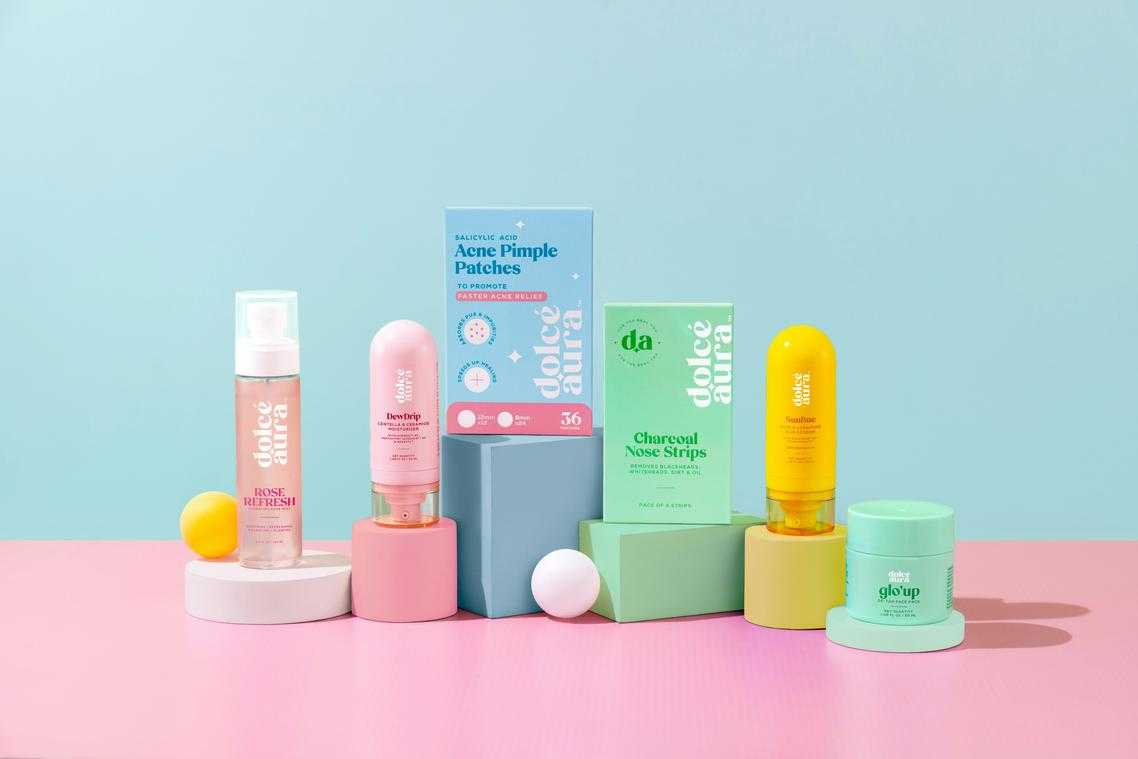
Your evening routine is where real skin repair happens. While you sleep, your skin shifts into recovery mode, increasing cell turnover and repairing daily damage (think pollution, sweat, sunscreen buildup). Here’s how to make those hours count.
Step 1: Double Cleanse
If you wear makeup or sunscreen, start with an oil or balm cleanser. These dissolve oil-based debris that regular cleansers can’t fully remove. Follow with a gentle water-based cleanser to wash away residue. This two-step method prevents clogged pores without harsh scrubbing (your skin isn’t a dirty pan).
Step 2: Chemical Exfoliant (2–3 Times Weekly)
Chemical exfoliants use acids to dissolve dead skin cells. BHAs (salicylic acid) penetrate into pores, making them ideal for acne-prone skin. AHAs (glycolic acid) work on the surface to smooth texture and brighten tone. Overusing them can disrupt your skin barrier, so limit application to a few nights per week.
Step 3: Retinoid Application
The cornerstone of professional acne treatment.
Retinoids like Adapalene 0.1% increase cell turnover, helping prevent clogged pores before they form. Start slowly—two to three nights weekly—and use a pea-sized amount for your entire face. Mild dryness is normal at first.
Step 4: Barrier-Supporting Moisturizer
Active ingredients can compromise your skin barrier (the outer protective layer that locks in moisture). Use a non-comedogenic moisturizer with ceramides or hyaluronic acid to replenish hydration and strengthen resilience. Pro tip: Apply moisturizer while skin is slightly damp to improve absorption.
Consistency beats intensity. Stick with this routine, adjust gradually, and let your skin renew overnight.
Optimizing your routine isn’t about doing more—it’s about doing what works. Introduce only one new active ingredient at a time so you can track results and prevent irritation (your skin barrier will thank you). The benefit? Clearer feedback and fewer flare-ups.
• Consistency over intensity: A steady routine with proven ingredients outperforms high-strength products used randomly. Long term, this builds healthier, calmer skin.
• Diet and hydration matter: Research links high-glycemic diets to acne in some individuals (JAAD). Stabilizing blood sugar may reduce breakouts.
• Advise consulting a dermatologist in person for persistent cystic acne or if over-the-counter treatments fail after 3 months.
You now have the professional framework to effectively treat acne, moving beyond guesswork to a targeted strategy. The core challenge of acne is managing clogged pores, bacteria, and inflammation, which this routine directly addresses. This dermatologist-approved approach works because it combines antibacterial action in the AM with cellular renewal in the PM.
To make it practical, focus on:
- A gentle cleanser
- A proven active like benzoyl peroxide or retinoids
- A non-comedogenic moisturizer
Consistency is CRITICAL, not intensity. Start slowly, patch test, and give products at least eight weeks to work. Clear skin rewards discipline, not overnight miracles.
Your Clearer Skin Starts Now
You came here looking for real answers to stubborn breakouts—and now you have them. From building a consistent skincare routine to understanding how ingredients in Moni Glow formulations support balanced, healthier-looking skin, you’re equipped with strategies that actually make a difference.
Acne isn’t just frustrating—it impacts confidence, comfort, and the way you show up every day. Ignoring it or guessing your way through products only leads to more irritation and wasted money. Following proven techniques and trusted dermatologist acne advice helps you avoid that cycle and move toward visible, lasting improvement.
The next step is simple: audit your current routine, remove products that trigger breakouts, and commit to a targeted regimen designed for your specific skin type. Don’t wait for your skin to “fix itself.”
If you’re ready to stop battling breakouts and start seeing real results, explore our expert-backed skincare guides and product optimization tips today. Thousands trust our insights to transform their routines—now it’s your turn. Clearer, healthier skin starts with the action you take right now.
 Ask Kathryn Holmeseweads how they got into beauty buzz and you'll probably get a longer answer than you expected. The short version: Kathryn started doing it, got genuinely hooked, and at some point realized they had accumulated enough hard-won knowledge that it would be a waste not to share it. So they started writing.
What makes Kathryn worth reading is that they skips the obvious stuff. Nobody needs another surface-level take on Beauty Buzz, Beauty Product Optimization Tips, Expert Breakdowns. What readers actually want is the nuance — the part that only becomes clear after you've made a few mistakes and figured out why. That's the territory Kathryn operates in. The writing is direct, occasionally blunt, and always built around what's actually true rather than what sounds good in an article. They has little patience for filler, which means they's pieces tend to be denser with real information than the average post on the same subject.
Kathryn doesn't write to impress anyone. They writes because they has things to say that they genuinely thinks people should hear. That motivation — basic as it sounds — produces something noticeably different from content written for clicks or word count. Readers pick up on it. The comments on Kathryn's work tend to reflect that.
Ask Kathryn Holmeseweads how they got into beauty buzz and you'll probably get a longer answer than you expected. The short version: Kathryn started doing it, got genuinely hooked, and at some point realized they had accumulated enough hard-won knowledge that it would be a waste not to share it. So they started writing.
What makes Kathryn worth reading is that they skips the obvious stuff. Nobody needs another surface-level take on Beauty Buzz, Beauty Product Optimization Tips, Expert Breakdowns. What readers actually want is the nuance — the part that only becomes clear after you've made a few mistakes and figured out why. That's the territory Kathryn operates in. The writing is direct, occasionally blunt, and always built around what's actually true rather than what sounds good in an article. They has little patience for filler, which means they's pieces tend to be denser with real information than the average post on the same subject.
Kathryn doesn't write to impress anyone. They writes because they has things to say that they genuinely thinks people should hear. That motivation — basic as it sounds — produces something noticeably different from content written for clicks or word count. Readers pick up on it. The comments on Kathryn's work tend to reflect that.