

If you’ve ever wondered whether your favorite foundation, mascara, or serum is still safe to use, you’re not alone. Understanding cosmetic expiration dates isn’t just about avoiding wasted products — it’s about protecting your skin from irritation, breakouts, and even infections. This article is designed to help you quickly identify when your beauty products expire, what the symbols really mean, and how to safely maximize their shelf life.
Many people overlook the small jar icon labeled 6 months, 12 months, or 24 months, not realizing it indicates how long a product remains safe after opening. Others assume unopened products last forever — they don’t. We break down the exact timelines for skincare and makeup, explain how storage affects longevity, and highlight the warning signs that tell you it’s time to toss a product.
Our guidance is based on established cosmetic safety standards, dermatological recommendations, and formulation best practices used across the beauty industry. By the end of this guide, you’ll know precisely how to read expiration symbols, extend product freshness safely, and keep your routine both effective and hygienic.
Is Your Makeup Making You Sick?
That mascara you love might be past its prime. Old cosmetics can harbor bacteria, leading to irritation, breakouts, even eye infections (yes, pink eye is not just a grade-school problem). Cosmetic expiration dates exist for a reason, but I’ll admit: they’re not always crystal clear. Some labs debate how long preservatives truly last once opened.
Here’s the fix:
- Check texture, smell, and color changes.
- Store products away from heat and humidity.
- Toss anything that stings unexpectedly.
Pro tip: write the open date on the label. When in doubt, throw it out.
Decoding the Expiration Codes: What the Symbols on Your Products Really Mean
Ever wonder if that serum is still safe—or just sitting there plotting a breakout? Understanding product symbols isn’t just label trivia. It protects your skin, your wallet, and your results.
The PAO Symbol (Period After Opening) is the open jar icon with a number like 6M or 12M. This tells you how many months a product stays safe and effective after you open it. Once air gets in, formulas start to change (yes, even the expensive ones). The benefit? You avoid irritation, weakened ingredients, and wasted effort in your routine.
The BBE Date (Best Before End)—shown with an hourglass or printed date—applies to unopened products. This is especially important for sunscreens and active ingredients like retinol, which degrade over time (FDA notes sunscreen efficacy can decline past expiration). Using them within date ensures you’re getting the protection or performance you paid for.
Here’s your simple system:
- Write the opening date on the bottle with a fine-tip permanent marker.
That one habit removes guesswork and keeps cosmetic expiration dates from sabotaging your glow. The payoff? Safer skin, better results, and confidence that every product in your routine is actually working for you—not against you.
The Ultimate Cheat Sheet: Shelf Life by Cosmetic Category
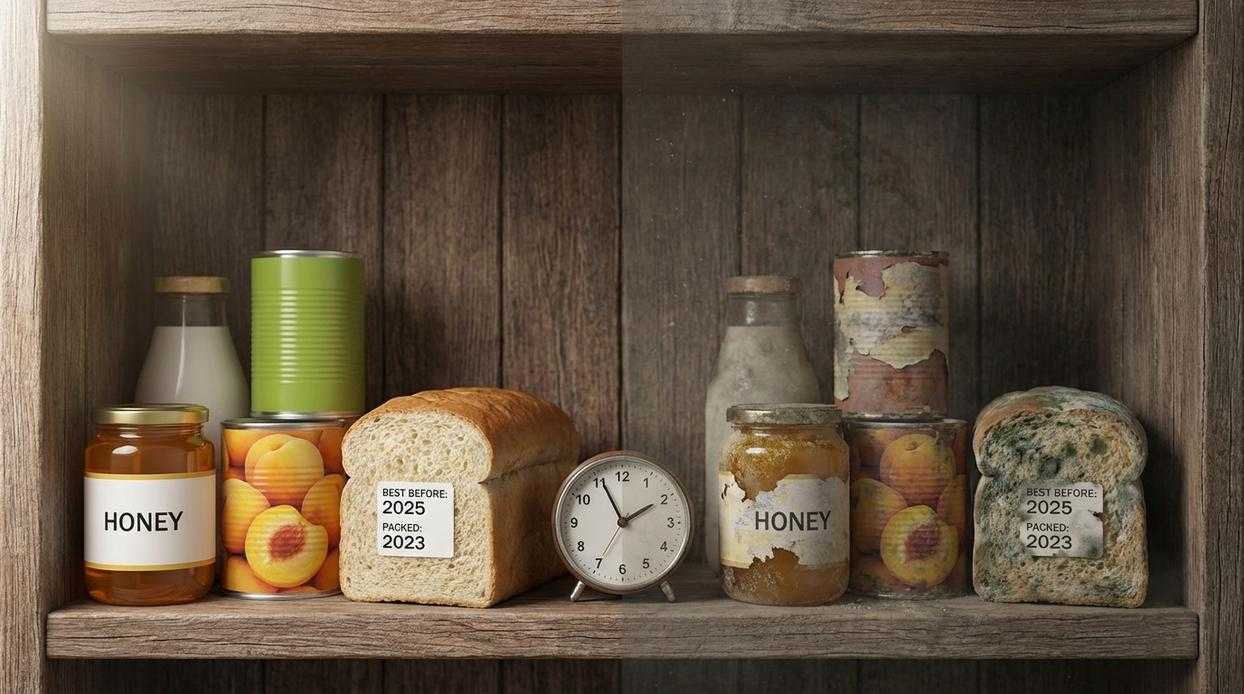
Understanding cosmetic expiration dates isn’t just about decluttering—it’s about protecting your skin and eyes from irritation, infection, and reduced product performance. Think of this as your practical, no-guesswork guide.
Eye Products (Mascara, Liquid Eyeliner): 3–6 Months
These have the shortest lifespan because they’re used around the eyes, where infections spread easily. Every time you pump a mascara wand, you push air (and bacteria) inside.
Practical tip: Write the opening date on the tube with a fine-tip marker. If your mascara smells off or feels clumpy before six months, toss it. And yes—never share (even if it’s your best friend).
Liquid Face Products (Foundation, Concealer, Cream Blush): 6–12 Months
Water-based formulas create a breeding ground for bacteria once opened.
To extend their life, use clean brushes or sponges instead of fingers. Store them away from heat and humidity (so not your steamy bathroom counter). If the formula separates or smells sour, it’s done.
Lip Products (Lipstick, Gloss, Liner): 1–2 Years
Lip products last longer, but they’re directly exposed to your mouth. If you’ve been sick, replace them sooner.
Watch for texture changes, sweating (tiny oil beads), or crayon-like smells.
Powder Products (Eyeshadow, Blush, Bronzer, Setting Powder): 2–3 Years
Because they lack water, powders resist bacterial growth. Still, they can develop a hard surface layer.
Step-by-step fix: Gently scrape off the top layer and spritz lightly with 70% isopropyl alcohol to sanitize.
Skincare (Serums, Moisturizers, Cleansers): 6 Months–1 Year
Active ingredients like retinol (a vitamin A derivative) and vitamin C oxidize when exposed to air and light, reducing potency (American Academy of Dermatology). Store in opaque, airtight containers.
Sunscreen: Follow the Printed Date
UV filters degrade over time, lowering protection (FDA). If it’s expired, you’re essentially sunbathing unprotected—no thanks.
Trust Your Senses: 4 Telltale Signs a Product Has Gone Bad
You don’t always need to check cosmetic expiration dates to know something’s wrong. Your senses are smarter than you think (yes, even before your morning coffee).
Here are four specific signs your product has turned:
-
A Change in Smell
Fresh skincare and makeup have a consistent scent profile. If your moisturizer smells rancid, sour, or simply “off” compared to when you opened it, that’s oxidation—when ingredients react with oxygen and degrade. Rancid oils, in particular, can irritate skin and trigger breakouts. -
A Shift in Texture
Separation (oil floating on top of cream), clumping in foundation, or lipstick “sweating” beads are signs the emulsion has broken. An emulsion is a stable blend of oil and water; once destabilized, performance and safety drop. -
A Difference in Color
If your foundation turns darker or orange in the bottle, that’s oxidation at work. Eyeshadows that look dull or chalky may have lost binder integrity, meaning weaker pigment payoff. -
Poor Performance
When products stop blending smoothly or delivering coverage, their active ingredients may have degraded.
Want to prevent this? Learn exactly how to store beauty products for maximum shelf life: https://qawermoni.net/how-to-store-beauty-products-for-maximum-shelf-life/
Pro tip: Store products away from heat and humidity to slow breakdown.
Proactive Care Starts on Your Shelf
I’ve always believed beauty products deserve better than a steamy bathroom counter. Heat and humidity quietly break down active ingredients (yes, even the pricey serums). Store them in a cool, dark, dry drawer instead.
Air and bacteria are the real villains. Wash hands, use clean brushes, and keep lids tightly sealed. Ignore cosmetic expiration dates and you’re basically gambling with your skin.
Some argue products are built to survive anything. I disagree. Adding water or saliva to “revive” mascara isn’t thrifty; it’s a bacterial party. Treat your routine like skincare, not science fiction. Please.
A healthier routine starts with a clean slate. Expired serums lose potency as active ingredients like vitamin C oxidize, and old mascaras can harbor bacteria that trigger irritation. Understanding cosmetic expiration dates protects both performance and skin safety. For example, most liquid foundations last 6–12 months, while powders can reach 24 months—features that matter because fresher formulas deliver better coverage and fewer breakouts. Take 15 minutes today and:
- Check the PAO symbol.
- Smell and swatch for changes.
- Toss anything separated or drying out.
This quick reset saves money and ensures your products truly support your glow daily.
Keep Your Glow Fresh and Safe
You came here to understand how to manage your beauty products safely and confidently—and now you know exactly why paying attention to cosmetic expiration dates matters. Ignoring them can lead to breakouts, irritation, wasted money, and products that simply don’t perform the way they should.
Your skin deserves formulas that are fresh, effective, and optimized for real results. Staying aware of cosmetic expiration dates protects your glow, prevents unnecessary skin issues, and ensures every product in your routine works as intended.
If you’re tired of guessing whether your products are still safe or effective, it’s time to upgrade your routine with trusted guidance and proven formulations. Discover expert-backed skincare insights, optimized beauty routines, and glow-boosting solutions designed to keep your skin at its best.
Don’t risk your skin on expired products—refresh your routine today and experience the difference the right beauty strategy can make.
 Geldric Nemsor is the kind of writer who genuinely cannot publish something without checking it twice. Maybe three times. They came to skincare techniques and routines through years of hands-on work rather than theory, which means the things they writes about — Skincare Techniques and Routines, Beauty Product Optimization Tips, Beauty Buzz, among other areas — are things they has actually tested, questioned, and revised opinions on more than once.
That shows in the work. Geldric's pieces tend to go a level deeper than most. Not in a way that becomes unreadable, but in a way that makes you realize you'd been missing something important. They has a habit of finding the detail that everybody else glosses over and making it the center of the story — which sounds simple, but takes a rare combination of curiosity and patience to pull off consistently. The writing never feels rushed. It feels like someone who sat with the subject long enough to actually understand it.
Outside of specific topics, what Geldric cares about most is whether the reader walks away with something useful. Not impressed. Not entertained. Useful. That's a harder bar to clear than it sounds, and they clears it more often than not — which is why readers tend to remember Geldric's articles long after they've forgotten the headline.
Geldric Nemsor is the kind of writer who genuinely cannot publish something without checking it twice. Maybe three times. They came to skincare techniques and routines through years of hands-on work rather than theory, which means the things they writes about — Skincare Techniques and Routines, Beauty Product Optimization Tips, Beauty Buzz, among other areas — are things they has actually tested, questioned, and revised opinions on more than once.
That shows in the work. Geldric's pieces tend to go a level deeper than most. Not in a way that becomes unreadable, but in a way that makes you realize you'd been missing something important. They has a habit of finding the detail that everybody else glosses over and making it the center of the story — which sounds simple, but takes a rare combination of curiosity and patience to pull off consistently. The writing never feels rushed. It feels like someone who sat with the subject long enough to actually understand it.
Outside of specific topics, what Geldric cares about most is whether the reader walks away with something useful. Not impressed. Not entertained. Useful. That's a harder bar to clear than it sounds, and they clears it more often than not — which is why readers tend to remember Geldric's articles long after they've forgotten the headline.