
You’re searching for ways to improve your skin tone and have heard Elica cream might be a solution.
I get it, we all want our skin to look its best. But here’s the thing: Elica cream for dark spots is a powerful prescription medication with a very specific purpose.
It’s not just about making your skin look better. It’s about understanding what this cream does and the risks involved.
In this article, I’ll break down what Elica cream is, how it works, and the potential dangers of using it for skin tone.
I’ll also share some safer alternatives.
My goal is to help you make an informed and safe decision for your skin health, not just chase a cosmetic goal.
This information is crucial to avoid unintended and potentially permanent skin damage.
What Elica Cream Is Actually Designed to Treat
Elica cream contains Mometasone Furoate, a potent topical corticosteroid.
Corticosteroids are known for reducing inflammation, redness, swelling, and itching.
Think of Elica cream as a powerful ‘fire extinguisher’ for inflamed skin, not a ‘paint’ to change its color.
It’s a prescription-only medication for a reason – its strength requires a doctor’s diagnosis and supervision.
The FDA approves Elica cream for treating eczema, psoriasis, dermatitis, and other inflammatory skin conditions.
Using Elica cream for dark spots is not its primary function. It’s designed to tackle inflammation, not pigmentation issues.
On a cellular level, it works by suppressing the immune response that causes inflammation in the skin.
If you’re dealing with any of these conditions, consult a dermatologist. They can provide a proper diagnosis and guide you on how to use Elica cream safely.
The Link Between Elica and Skin Tone: Fact vs. Fiction
Can Elica cream improve skin tone? The answer is a bit complex.
First, let’s talk about what it can do. Elica cream for dark spots works by reducing post-inflammatory hyperpigmentation (PIH). When you have acne or eczema, the inflammation can leave dark spots behind.
Elica helps by treating the root cause of that inflammation.
Now, here’s where things get tricky. Some people think Elica ‘bleaches’ the skin like dedicated lightening agents. That’s not how it works.
Its effect on PIH is a secondary benefit of its anti-inflammatory action.
But there’s a catch. Prolonged use can lead to hypopigmentation, which means loss of skin color. This is actually skin damage, not a cosmetic improvement.
It’s a serious side effect.
- Reducing redness and dark spots from inflammation is a therapeutic effect.
- Causing white patches or overall lightening is a sign of misuse and a serious side effect.
Using Elica with the primary goal of skin lightening is an off-label use that carries significant risks. Stick to using it for its intended purpose to avoid these issues.
The Serious Risks of Using Steroids for Skin Lightening
Let’s get one thing straight: using steroids like Elica cream for dark spots is a dangerous game. I can’t stress this enough.
Skin atrophy is one of the most common and severe side effects. Your skin becomes fragile, paper-thin, and easily bruised or torn. It’s not just unsightly; it’s a serious health risk.
Telangiectasia, or spider veins, is another issue. You’ll see visible, broken blood vessels on the skin’s surface. It’s not pretty, and it’s hard to treat.
Topical steroid withdrawal (TSW) or Red Skin Syndrome is a nightmare. After you stop using the cream, your skin goes into overdrive. Expect redness, burning, and peeling.
It’s a painful, long-term ordeal.
Perioral dermatitis, a rash around the mouth, is also a risk. Stretch marks, or striae, can appear. And because your skin’s immune response is suppressed, you’re more likely to get infections.
If you’re considering any kind of skin lightening, do your research. There are safer alternatives.
(And if you need help with other aspects of your skincare routine, like contouring and highlighting, this guide can be a good start.)
Stay safe and make informed choices.
Safer, Proven Alternatives for a Radiant Skin Tone
Let’s face it. Trying to find the right skincare products can be overwhelming. So many options, so much conflicting advice.
- Vitamin C: This is a powerhouse ingredient. It brightens your skin, fades dark spots, and protects against environmental damage. Simple, effective, and backed by science.
Sometimes, you just want something that works without all the fuss.
- Niacinamide: This one helps reduce the transfer of pigment within the skin. It improves evenness and reduces redness. A real game-changer for those annoying patches.
I know how frustrating it is when nothing seems to work.
- Azelaic Acid: If you’re dealing with post-inflammatory hyperpigmentation, this is your go-to. It also has anti-inflammatory properties, making it perfect for sensitive skin.
Why deal with harsh treatments when there are safer, gentler options?
- Retinoids (like retinol or adapalene): These increase skin cell turnover, helping to shed pigmented cells and reveal brighter skin beneath. Start slow and build up to avoid irritation.
For more significant concerns, professional options like chemical peels, laser treatments, and consulting a dermatologist for prescription-strength (non-steroid) options like hydroquinone (with proper guidance) are worth considering.
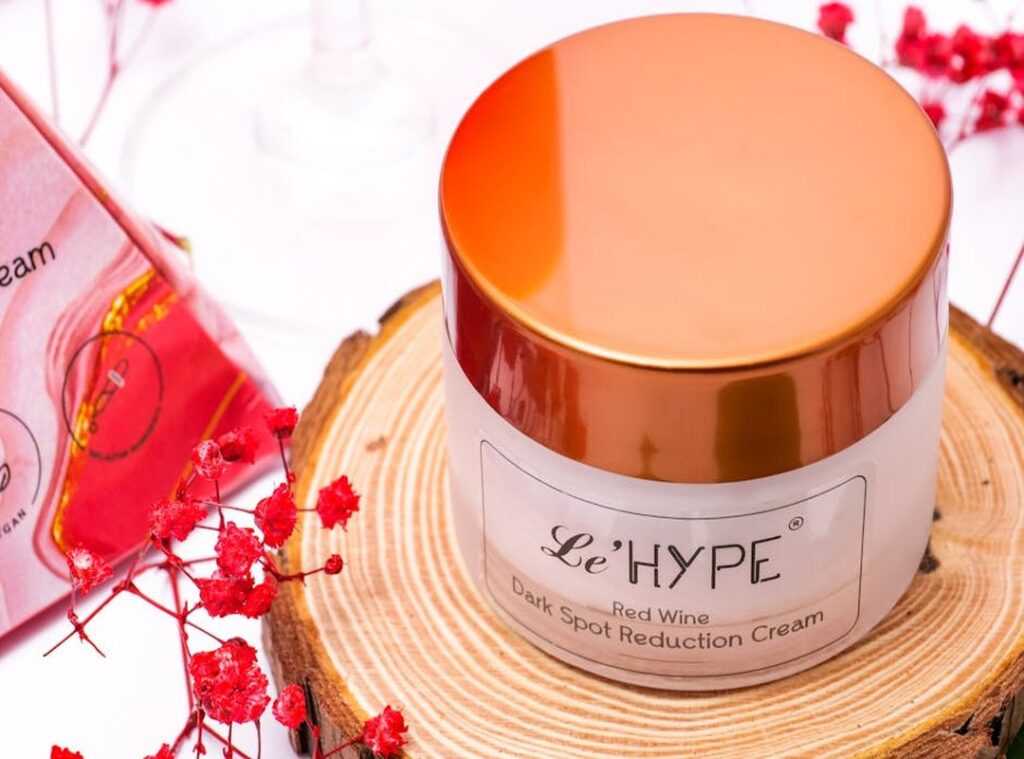
And if you’re looking for a reliable product, elica cream for dark spots is a great choice. It’s designed to help with those stubborn areas and is easy to incorporate into your routine.
Remember, the key is consistency. Stick with what works for you and don’t get swayed by every new trend.
Your Next Step for a Safe and Even Skin Tone

Elica cream is a powerful medical tool for inflammatory skin diseases, not a cosmetic product for skin tone improvement. Using it for lightening can lead to serious side effects like skin thinning and withdrawal. These risks far outweigh any potential benefits.
There are safe and effective alternatives available, such as Vitamin C and Niacinamide, which can help achieve an even skin tone without the dangers. Before trying any new product for your skin tone, especially a prescription medication, the safest and most effective first step is always to consult a board-certified dermatologist.
 Geldric Nemsor is the kind of writer who genuinely cannot publish something without checking it twice. Maybe three times. They came to skincare techniques and routines through years of hands-on work rather than theory, which means the things they writes about — Skincare Techniques and Routines, Beauty Product Optimization Tips, Beauty Buzz, among other areas — are things they has actually tested, questioned, and revised opinions on more than once.
That shows in the work. Geldric's pieces tend to go a level deeper than most. Not in a way that becomes unreadable, but in a way that makes you realize you'd been missing something important. They has a habit of finding the detail that everybody else glosses over and making it the center of the story — which sounds simple, but takes a rare combination of curiosity and patience to pull off consistently. The writing never feels rushed. It feels like someone who sat with the subject long enough to actually understand it.
Outside of specific topics, what Geldric cares about most is whether the reader walks away with something useful. Not impressed. Not entertained. Useful. That's a harder bar to clear than it sounds, and they clears it more often than not — which is why readers tend to remember Geldric's articles long after they've forgotten the headline.