
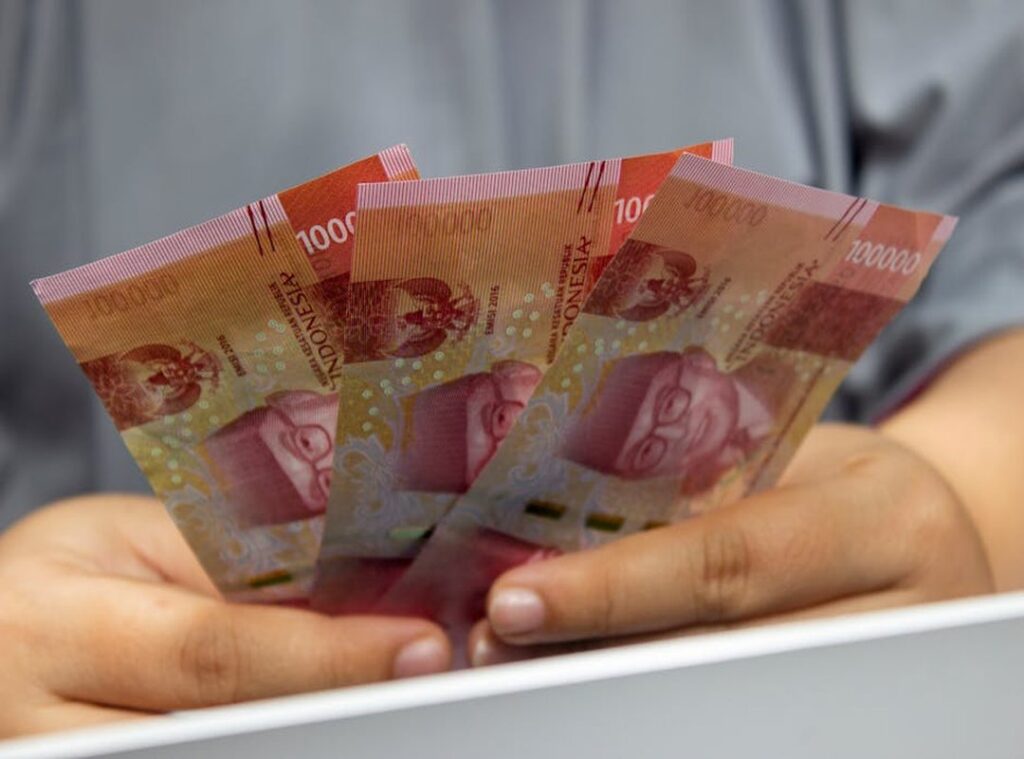
When you’re dealing with different currencies, it can get confusing. Especially if you’re traveling or doing business between Malaysia and Indonesia. You might wonder, 1000 ringgit berapa rupiah?
It’s a common question.
I’ve been there. I know how important it is to understand the value of your money in another country. This article will break down the current and historical conversion rates between Malaysian Ringgit (MYR) and Indonesian Rupiah (IDR).
We’ll also give you some practical tips on managing your money effectively. So, let’s dive in.
Current Conversion Rate: 1000 MYR to IDR
As of now, the real-time conversion rate for 1000 MYR to IDR can vary. To get the most accurate and up-to-date exchange rate, check reliable sources like XE, OANDA, or major banks.
These platforms provide live data, which is crucial for making informed financial decisions.
- XE – Known for its user-friendly interface and real-time updates.
- OANDA – Offers detailed historical data and a comprehensive currency converter.
- Major Banks – Often have their own online tools and mobile apps for real-time rates.
Exchange rates can fluctuate due to various factors. Economic indicators, such as inflation and interest rates, play a significant role. Political events and market sentiment also impact these rates.
For example, if you’re wondering 1000 ringgit berapa rupiah, the answer will depend on the current exchange rate. It’s always best to check the latest rates before making any transactions.
To stay on top of these changes, I recommend setting up alerts on your preferred financial app. This way, you’ll be notified of any significant movements in the exchange rate.
Historical Exchange Rates: Trends and Patterns
I remember a few years back when I was planning a trip to Indonesia. I had 1000 ringgit berapa rupiah on my mind, trying to figure out how much I could actually spend. It’s a common question, and it shows how exchange rates can impact our daily lives.
- Recent Trends:
- Over the past year, the MYR to IDR exchange rate has seen some ups and downs.
- There were a few significant spikes, especially in the second quarter, due to global economic shifts.
-
These changes made me rethink my budget for that trip, and I bet many others felt the same way.
-
Long-Term Trends:
- Looking at the last decade, the MYR to IDR exchange rate has generally been stable.
- But there have been notable fluctuations, especially during major economic events.
-
It’s like watching a rollercoaster, but with less excitement and more stress.
-
Key Events:
- The 2008 global financial crisis had a big impact, causing a sharp drop in the exchange rate.
- More recently, the pandemic also played a role, leading to increased volatility.
- Regional developments, like changes in trade policies, have also influenced the rate.
Understanding these trends and events is crucial. It helps you make better decisions, whether you’re planning a trip or managing your investments.
Practical Tips for Converting 1000 MYR to IDR
Converting 1000 MYR to IDR can be a bit tricky, but with the right approach, you can make it smooth and cost-effective.
First, let’s talk about ATMs. They’re convenient, especially if you’re in Indonesia. Just make sure your bank doesn’t charge hefty fees.
Bank transfers are another option. They often offer better rates than ATMs, but they might take longer. Check with your bank for their transfer fees.
Online platforms like TransferWise (now known as Wise) or PayPal can also be useful. They usually have competitive rates and lower fees compared to traditional banks.
To get the best exchange rates, compare different providers. Use a currency converter to see what 1000 ringgit berapa rupiah is. This will give you a good benchmark.
Minimizing fees is key. Some banks and online platforms offer fee-free transfers for certain amounts. Always read the fine print.
Another tip: try to avoid exchanging money at airports or tourist-heavy areas. The rates there are often inflated.
It’s also smart to keep a small amount of local currency for emergencies. You never know when you might need it, especially if you’re traveling.
Remember, the goal is to keep more of your money in your pocket. A little research and planning can go a long way.
(And hey, if you’re into skincare, check out exfoliation techniques chemical vs physical methods explained. It’s a great read, even if it’s not directly related to currency conversion.)
Using 1000 MYR in Indonesia: Cost of Living and Purchasing Power

Let’s talk about the cost of living. First things first, Malaysia and Indonesia are quite different. In Malaysia, a simple meal at a local restaurant might set you back around 10-15 MYR.
In Indonesia, you can get a similar meal for as little as 20,000-30,000 IDR, which is much less.
Transportation is another big factor. Taxis and ride-sharing in Malaysia can be pricey, especially in cities like Kuala Lumpur. In Indonesia, you can get around with a lot less.
A Grab ride in Jakarta, for example, is significantly cheaper.
Accommodation? That’s where it gets interesting. A decent hotel room in a major Malaysian city can easily cost 100-200 MYR per night.
In Indonesia, you can find a nice place for half that, or even less if you’re okay with budget options.
Now, let’s convert 1000 MYR to Indonesian Rupiah (IDR). As of the latest rates, 1000 ringgit berapa rupiah? It’s roughly 3.5 million IDR.
That’s a lot of money in Indonesia.
With 3.5 million IDR, you can do a lot. You could stay in a mid-range hotel for a week, eat out every day, and still have money left for sightseeing and shopping.
But here’s the contrarian take: Don’t just think about how much more you can buy. Think about the quality too. Sure, things are cheaper, but sometimes you get what you pay for.
Low prices can mean lower quality, so be selective.
Budgeting tips? Of course. First, use public transportation.
Buses and trains in Indonesia are cheap and efficient. Second, eat at local warungs instead of tourist spots. The food is authentic and much more affordable.
Third, shop at local markets. You’ll find great deals on everything from souvenirs to fresh produce.
Finally, don’t forget to haggle. It’s expected in many places, and you can save a lot by negotiating prices. Just be respectful and know when to stop.
By following these tips, you can stretch your 1000 MYR a long way in Indonesia.
Currency Conversion Scenarios: Real-World Examples
Traveler’s Perspective
Imagine you’re heading to Indonesia for a short trip and need to convert 1000 MYR to IDR. You want to make sure you have enough cash for your expenses.
You check the current exchange rate and find that 1000 ringgit berapa rupiah is around 3,000,000 IDR. This amount should cover your basic needs like food, transportation, and some souvenirs.
Business Perspective
Now, let’s say you’re a business owner looking to invest in a new venture in Indonesia. You need to convert 1000 MYR to IDR for an initial transaction.
- First, you check the latest exchange rates.
- You find that 1000 MYR is approximately 3,000,000 IDR.
- With this amount, you can cover the initial costs and still have some buffer for unexpected expenses.
Knowing the exact conversion helps you plan your budget more effectively and ensures you don’t overpay or come up short.
Maximizing Your 1000 MYR in IDR
Understanding the current exchange rate is crucial when converting 1000 ringgit berapa rupiah. Staying informed about these rates can significantly impact the amount of Indonesian Rupiah (IDR) you receive.
Keep an eye on financial news and use reliable online tools for real-time updates. Consider using ATMs or reputable banks for the best rates.
Avoid exchanging money at airports or tourist-heavy areas, as they often offer less favorable rates.
Plan your transactions strategically to minimize fees and maximize the value of your 1000 MYR.
Stay updated on exchange rates and use the tips provided to make the most of your 1000 MYR in Indonesia.
 Ask Kathryn Holmeseweads how they got into beauty buzz and you'll probably get a longer answer than you expected. The short version: Kathryn started doing it, got genuinely hooked, and at some point realized they had accumulated enough hard-won knowledge that it would be a waste not to share it. So they started writing.
What makes Kathryn worth reading is that they skips the obvious stuff. Nobody needs another surface-level take on Beauty Buzz, Beauty Product Optimization Tips, Expert Breakdowns. What readers actually want is the nuance — the part that only becomes clear after you've made a few mistakes and figured out why. That's the territory Kathryn operates in. The writing is direct, occasionally blunt, and always built around what's actually true rather than what sounds good in an article. They has little patience for filler, which means they's pieces tend to be denser with real information than the average post on the same subject.
Kathryn doesn't write to impress anyone. They writes because they has things to say that they genuinely thinks people should hear. That motivation — basic as it sounds — produces something noticeably different from content written for clicks or word count. Readers pick up on it. The comments on Kathryn's work tend to reflect that.