
Today’s clients expect more than relaxation—they expect visible, lasting results. Yet many treatment rooms still rely on outdated, one-size-fits-all protocols that fail to address individual skin needs. This guide introduces a systematic, results-driven framework designed to elevate your approach through professional facial techniques that prioritize precision, customization, and performance. From comprehensive skin analysis to advanced product layering and application methods, each phase is structured to maximize efficacy and client satisfaction. If you’re ready to move beyond basic spa services and deliver transformative outcomes with consistency and confidence, this expert-level breakdown will show you how.
The Foundation: Advanced Skin Analysis and Client Consultation
Great skin treatments don’t start with products. They start with questions. In my experience, moving beyond a quick visual scan is what separates average results from transformative ones. A multi-faceted consultation means exploring lifestyle factors like diet, stress levels, medications, and sleep patterns. (Yes, your late-night streaming habit matters.) It also includes a detailed skincare history and clearly defined client goals—because “I want glowing skin” means something different to everyone.
Next, incorporating diagnostic tools elevates your assessment. A Woods Lamp—an ultraviolet light used to reveal sun damage, dehydration, and bacterial activity invisible to the naked eye—can uncover concerns clients didn’t even know they had. Skin scanners that measure hydration and sebum levels provide quantifiable data, not guesswork. Some argue these tools are unnecessary extras, but I disagree; objective metrics reduce treatment errors and improve outcomes.
Equally critical is a thorough contraindication checklist before every service. Review allergies, recent injectables, or photosensitizing medications to prevent adverse reactions.
Finally, map the treatment plan using consultation data, selecting products and professional facial techniques tailored precisely to that day’s skin condition.
Phase One: Strategic Cleansing and Skin Preparation
Let’s challenge a popular myth: cleansing is just about removing makeup. In reality, it’s about preparing skin to function optimally. The Professional Double Cleanse starts with an oil-based cleanser to dissolve makeup, sunscreen, and sebum (the skin’s natural oil), followed by a targeted water-based cleanser—gel for oily types, cream for dry—to treat the skin itself. Some argue this is excessive. However, residue left behind can block absorption and trigger congestion, according to the American Academy of Dermatology (AAD).
Next comes pH Balancing and Toning. Cleansing can disrupt the acid mantle (your skin’s protective barrier, ideally around pH 4.7–5.5). A professional-grade toner restores balance, improving product penetration and barrier resilience.
Finally, Incorporating Lymphatic Drainage during cleansing—using light, upward strokes toward lymph nodes—reduces puffiness and boosts circulation. Think less aggressive scrubbing, more intentional sculpting (your cheekbones will thank you).
Phase Two: Precision Exfoliation Techniques
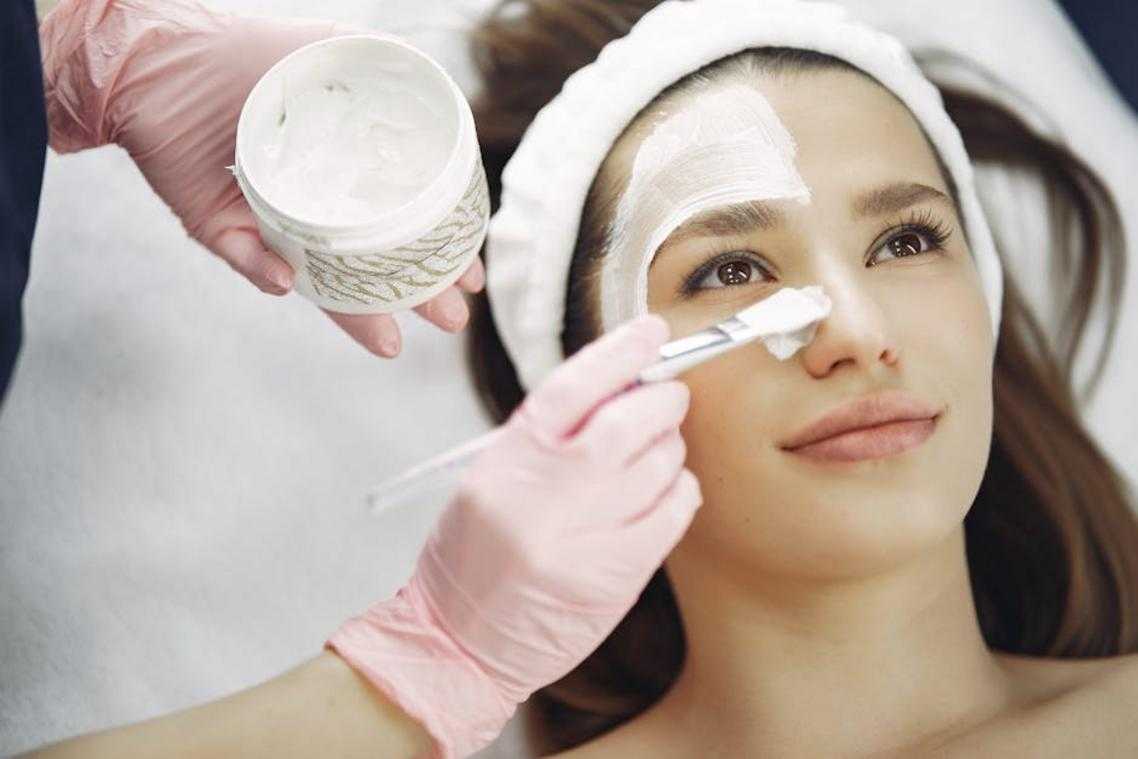
Exfoliation isn’t just about removing dead skin—it’s about choosing the right pathway for controlled renewal. Let’s start with chemical exfoliation mastery. AHAs (alpha hydroxy acids) are water-soluble acids ideal for surface texture concerns like dullness and fine lines. BHAs (beta hydroxy acids), oil-soluble molecules, penetrate into pores to dissolve congestion—making them a go-to for acne-prone skin. PHAs (polyhydroxy acids) have larger molecular structures, meaning slower penetration and less irritation—perfect for sensitive or reactive skin (think rosacea-prone clients).
However, what’s often overlooked is layering strategy. Professionals apply from lowest to highest pH and monitor erythema before neutralization to prevent overprocessing. Contrary to popular belief, stronger isn’t better—precision is.
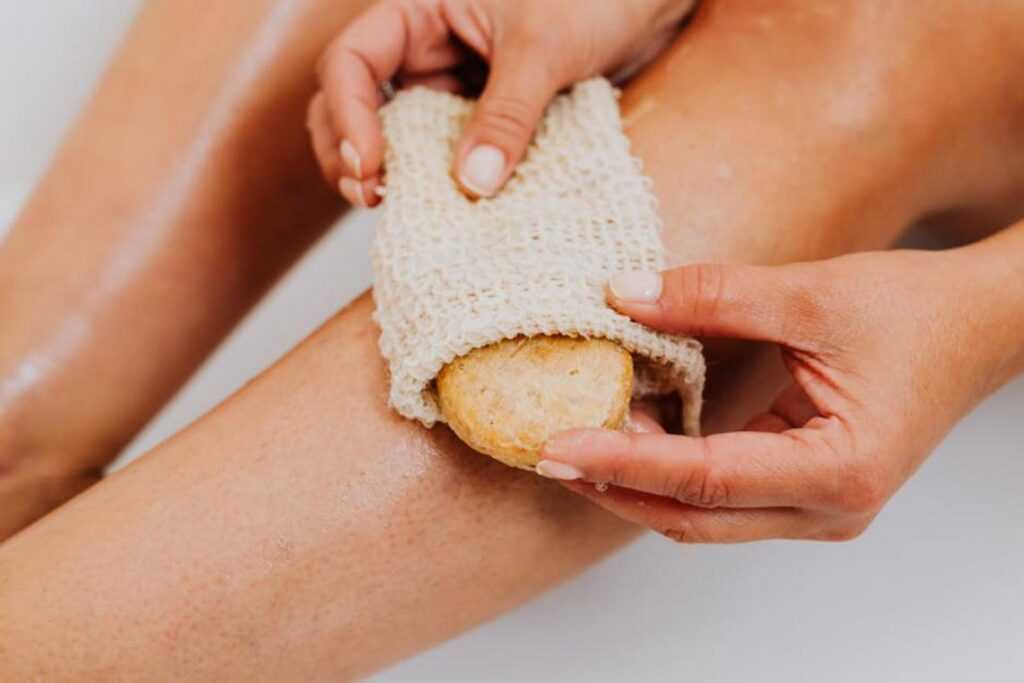
When should you choose physical exfoliation? Diamond-tip microdermabrasion suits thickened, non-sensitive skin needing mechanical resurfacing. Dermaplaning targets vellus hair and surface debris for immediate smoothness. That said, critics argue physical methods risk microtears. The key is controlled pressure and proper blade angle—true professional facial techniques make the difference.
For sensitive, pregnant, or acid-contraindicated clients, enzymatic peels using papain (papaya-derived) or bromelain (pineapple-derived) offer selective protein digestion without inflammation. They’re gentle, yet clinically effective.
For seasonal adjustments that influence exfoliation intensity, see hair and skin experts weigh in on seasonal care adjustments.
Phase Three: Safe and Effective Extraction Methods
Extractions can feel intimidating, so let’s break them down clearly and safely.
-
Proper Skin Softening: First, skin must be softened. Steam gently warms the pores, while desincrustation solutions (alkaline formulas that help break down oil) work to saponify sebum—meaning they turn hardened oil into a soap-like texture that’s easier to remove. As a result, extractions become less traumatic and more precise. Think of it like loosening a jar lid before twisting (force isn’t the goal—prep is).
-
Tool vs. Manual Technique: Next, technique matters. A sanitized comedone extractor is ideal for open comedones (blackheads). For manual work, use the finger-cot wrapping method to protect skin and prevent bacteria transfer. This step reflects professional facial techniques and minimizes post-treatment marks.
-
Post-Extraction Protocol: Finally, apply high-frequency current to eliminate acne-causing bacteria, then follow with an antiseptic, calming toner or mask to reduce inflammation and prevent future breakouts.
Clients feel frustrated when serums seem to sit on the skin. The problem usually isn’t the formula—it’s the method. During Therapeutic Massage Application, use effleurage, petrissage to stimulate microcirculation and encourage absorption. These professional facial techniques transform products into active performers.
Next comes Serum Layering Strategy. Apply from thinnest to thickest, waiting 30–60 seconds between layers. Rushing this step is a mistake (and a costly one).
• Choose actives based on concerns.
• Avoid overloading incompatible ingredients.
Finally, Finishing with Occlusion locks everything in with the mask—clay for oil, gel for sensitivity, cream for dryness. Seal it, don’t suffocate it.
Final steps matter. After professional facial techniques, reinforce results with a targeted moisturizer and broad-spectrum SPF. This seals hydration and shields against UVA/UVB damage (the silent glow thief). A generic facial stops at relaxation; a meticulously planned protocol corrects barrier dysfunction, hyperpigmentation, and congestion at the source. Why settle for surface-level shine?
To ensure lasting results:
- Apply customized moisturizer to restore lipids and support the stratum corneum.
- Finish with SPF 30+ to prevent post-treatment sensitivity.
- Provide concise aftercare and personalized product guidance.
Clear instructions extend benefits, reduce irritation risk, and build durable client trust. Long-term results follow.
Elevate Your Skincare Results Starting Today
You came here looking for real, practical ways to improve your skincare routine—and now you have them. From understanding product layering to incorporating professional facial techniques, you’re equipped with the knowledge to achieve healthier, more radiant skin.
The frustration of trying products that don’t deliver or routines that feel overwhelming is real. Glowing skin shouldn’t feel complicated or out of reach. With the right approach and targeted formulations, you can finally stop guessing and start seeing visible results.
Now it’s time to take action. Choose high-quality, proven skincare solutions designed to maximize results and simplify your routine. Join thousands who trust our top-rated beauty insights and Moni Glow formulations to transform their skin. Start your glow journey today and experience the confidence that comes with skin that truly shines.
 Benjamineckino Friedman writes the kind of beauty buzz content that people actually send to each other. Not because it's flashy or controversial, but because it's the sort of thing where you read it and immediately think of three people who need to see it. Benjamineckino has a talent for identifying the questions that a lot of people have but haven't quite figured out how to articulate yet — and then answering them properly.
They covers a lot of ground: Beauty Buzz, Beauty Product Optimization Tips, Expert Breakdowns, and plenty of adjacent territory that doesn't always get treated with the same seriousness. The consistency across all of it is a certain kind of respect for the reader. Benjamineckino doesn't assume people are stupid, and they doesn't assume they know everything either. They writes for someone who is genuinely trying to figure something out — because that's usually who's actually reading. That assumption shapes everything from how they structures an explanation to how much background they includes before getting to the point.
Beyond the practical stuff, there's something in Benjamineckino's writing that reflects a real investment in the subject — not performed enthusiasm, but the kind of sustained interest that produces insight over time. They has been paying attention to beauty buzz long enough that they notices things a more casual observer would miss. That depth shows up in the work in ways that are hard to fake.
Benjamineckino Friedman writes the kind of beauty buzz content that people actually send to each other. Not because it's flashy or controversial, but because it's the sort of thing where you read it and immediately think of three people who need to see it. Benjamineckino has a talent for identifying the questions that a lot of people have but haven't quite figured out how to articulate yet — and then answering them properly.
They covers a lot of ground: Beauty Buzz, Beauty Product Optimization Tips, Expert Breakdowns, and plenty of adjacent territory that doesn't always get treated with the same seriousness. The consistency across all of it is a certain kind of respect for the reader. Benjamineckino doesn't assume people are stupid, and they doesn't assume they know everything either. They writes for someone who is genuinely trying to figure something out — because that's usually who's actually reading. That assumption shapes everything from how they structures an explanation to how much background they includes before getting to the point.
Beyond the practical stuff, there's something in Benjamineckino's writing that reflects a real investment in the subject — not performed enthusiasm, but the kind of sustained interest that produces insight over time. They has been paying attention to beauty buzz long enough that they notices things a more casual observer would miss. That depth shows up in the work in ways that are hard to fake.