
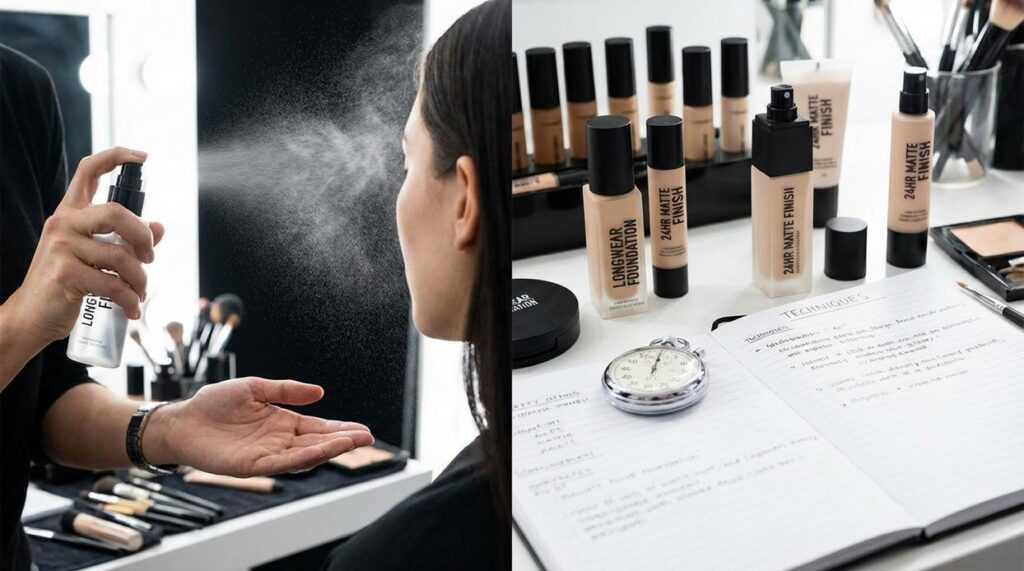
Your all-day flawless finish doesn’t have to be a struggle. If your makeup fades, creases, or melts away by midday, the issue isn’t how much you’re applying — it’s how you’re applying it. This guide delivers a complete, step-by-step strategy to help your look stay fresh from morning to night. From skin prep and smart layering to pro-level setting techniques, you’ll discover long lasting makeup secrets that work across skin types and climates. If you’re searching for real, actionable ways to make your makeup last longer, this is your definitive, no-fluff roadmap to a finish that truly stays put.
The Foundation of Longevity: Skin Prep is Non-Negotiable
If your foundation fades by noon or settles into pores, prep—not the makeup—is usually the culprit. Makeup adheres best to a smooth, balanced canvas. Skipping prep is the #1 reason for makeup failure (yes, even with luxury products). Some argue great foundation alone should do the job. But even the most advanced formulas can’t grip dehydrated or oily skin properly. Prep is what turns good makeup into long lasting makeup secrets.
Step 1: Cleanse and Hydrate
Start with a gentle cleanser to remove oil, dirt, and residue. Follow with a hydrating serum or essence. Hydration means adding water to the skin; moisture means sealing that water in with oils. When skin is hydrated, it looks plumper and makeup sits smoothly (think HD filter, but real life).
Step 2: Moisturize for Your Skin Type
- Oily skin: lightweight, fast-absorbing lotion
- Dry skin: richer, nourishing cream
Wait 5–10 minutes before applying makeup. This prevents pilling and improves wear time.
Step 3: The Power of a Targeted Primer
Primer creates a barrier between skincare and foundation:
- Silicone-based: smooths pores
- Gripping: boosts hold
- Mattifying: controls shine
Understanding layering matters—this chemist explains how active ingredients interact: https://qawermoni.net/chemist-explains-how-active-ingredients-interact/
The payoff? Longer wear, smoother texture, and fewer touch-ups (your future self will thank you).
Application Techniques for Maximum Staying Power
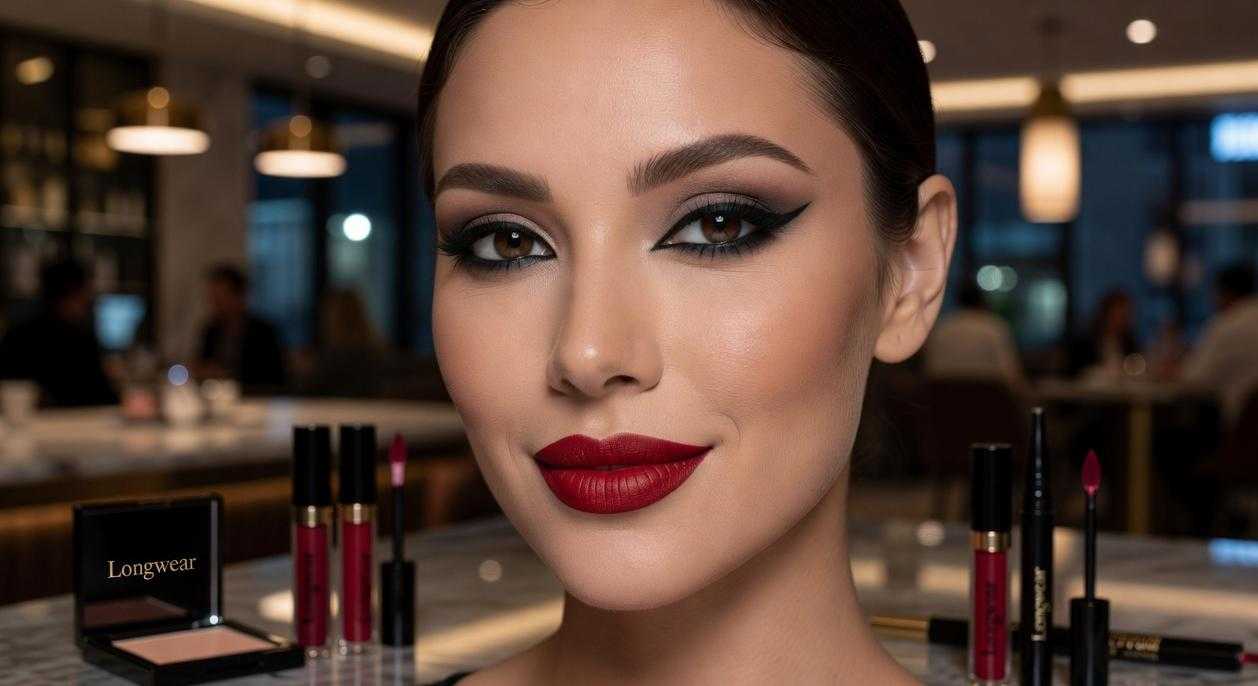
If your makeup fades by noon, the issue often isn’t the product—it’s the technique. Think of application like building a house: thin, stable layers outperform one heavy slab every time (yes, even if that slab promises “full coverage in one swipe”).
Principle 1: Build in Thin Layers
One Thick Layer vs. Several Sheer Layers
- Thick Layer: Faster upfront, but prone to caking, creasing, and separating as oils break through.
- Thin Strategic Layers: Lightweight, flexible, and longer-wearing because each layer adheres better to the skin.
When you build coverage gradually, you reduce texture and improve longevity. This approach aligns with professional long lasting makeup secrets: precision beats excess. Pro tip: let each layer set for 20–30 seconds before adding more to improve adhesion.
Principle 2: Choose Long-Wear Formulations
Standard Formula vs. Long-Wear Formula
- Standard: Comfortable, but may fade after 4–6 hours.
- Long-Wearing/Waterproof/Transfer-Resistant: Designed with film-forming agents that resist sweat and oil (a common cause of breakdown, according to cosmetic chemistry research).
For foundation, concealer, eyeliner, and lipstick, labels matter. Waterproof mascaras, for example, contain stronger polymers that bind pigment to lashes more securely than washable versions.
Technique for Base Makeup
Swiping vs. Pressing/Stippling
- Swiping: Moves product around and can lift underlying skincare.
- Pressing/Stippling: Pushes pigment into the skin for a tighter bond.
Use a damp sponge or dense brush to press foundation in. Think “press and roll,” not “paint the wall.”
Technique for Color Products
Cream Only vs. Cream + Powder Layering
- Cream Alone: Natural glow, shorter wear.
- Cream Set with Matching Powder: Extended wear and enhanced dimension.
Apply cream blush, then lightly dust a similar-toned powder blush on top. It’s like setting concrete—once it’s locked in, it stays put (even through dinner plans and dramatic plot twists).
Lock It In: The Final Steps to Bulletproof Your Look
Back in 2019, when ultra-matte glam dominated Instagram (think full-beat, zero shine), one product quietly did the heavy lifting: translucent setting powder. Its primary role is simple but crucial. It absorbs excess oil and locks “wet” products—like foundation and concealer—into place. By reducing surface moisture, it prevents creasing, fading, and that dreaded midday slide.
There are two main ways to apply it:
- Baking: Apply a generous layer to oily zones (typically the T-zone and under-eyes), let it sit for 5–10 minutes, then dust off the excess. The heat from your skin helps set the base for extra staying power.
- Light Dusting: Sweep a fluffy brush lightly across the face for a softer, more natural finish.
Baking surged in popularity around 2016 during the full-coverage boom, but today’s trend leans toward strategic, minimal powder (your skin should still look like skin).
Then comes the magic of setting spray. Unlike powder, setting spray works by melting layers of makeup together and forming a flexible, breathable film over the skin. Think of it as shrink-wrapping your glam—without the stiffness.
Choosing the right spray matters:
- Mattifying for oil control
- Dewy/radiant for glow
- All-day hold for maximum longevity
For long lasting makeup secrets, try the Pro Sandwich Technique. After your base is complete, lightly mist your face. Apply powder. Finish with a final mist. This layered approach, refined over years of backstage artistry, creates serious hold without heaviness (and yes, it survives weddings, heatwaves, and long office days).
Midday Touch-Ups Without Starting Over
Address Oil First: Before adding more product, gently press blotting papers or a clean puff onto shiny areas. This prevents cakey buildup.
Strategic Powdering: Tap pressed powder only along the T-zone, using a small brush. Think spot-treatment, not full reset.
Refresh and Revive: Mist a hydrating spray to restore a skin-like finish. Pro tip: press lightly with a sponge to mesh layers.
Some claim midday fixes ruin long lasting makeup secrets, but that’s outdated. Prediction: hybrid blot-and-mist routines will dominate as lightweight formulas evolve, reducing the need for heavy touch-ups. Expect smarter oil-control tech soon.
To ensure your flawless makeup lasts all day, it’s essential to not only master application techniques but also to be mindful of the products you use, which is why Understanding Product Expiration Dates and Safety is crucial.
Your Look, Perfected From AM to PM
By mastering meticulous prep, strategic application, and proper setting, you’ve unlocked the real long lasting makeup secrets that keep your look fresh from morning meetings to evening events. No more midday fading or constant touch-ups—just confident, flawless wear. Put these techniques into practice tomorrow and experience makeup that truly lasts all day.
 Ask Kathryn Holmeseweads how they got into beauty buzz and you'll probably get a longer answer than you expected. The short version: Kathryn started doing it, got genuinely hooked, and at some point realized they had accumulated enough hard-won knowledge that it would be a waste not to share it. So they started writing.
What makes Kathryn worth reading is that they skips the obvious stuff. Nobody needs another surface-level take on Beauty Buzz, Beauty Product Optimization Tips, Expert Breakdowns. What readers actually want is the nuance — the part that only becomes clear after you've made a few mistakes and figured out why. That's the territory Kathryn operates in. The writing is direct, occasionally blunt, and always built around what's actually true rather than what sounds good in an article. They has little patience for filler, which means they's pieces tend to be denser with real information than the average post on the same subject.
Kathryn doesn't write to impress anyone. They writes because they has things to say that they genuinely thinks people should hear. That motivation — basic as it sounds — produces something noticeably different from content written for clicks or word count. Readers pick up on it. The comments on Kathryn's work tend to reflect that.
Ask Kathryn Holmeseweads how they got into beauty buzz and you'll probably get a longer answer than you expected. The short version: Kathryn started doing it, got genuinely hooked, and at some point realized they had accumulated enough hard-won knowledge that it would be a waste not to share it. So they started writing.
What makes Kathryn worth reading is that they skips the obvious stuff. Nobody needs another surface-level take on Beauty Buzz, Beauty Product Optimization Tips, Expert Breakdowns. What readers actually want is the nuance — the part that only becomes clear after you've made a few mistakes and figured out why. That's the territory Kathryn operates in. The writing is direct, occasionally blunt, and always built around what's actually true rather than what sounds good in an article. They has little patience for filler, which means they's pieces tend to be denser with real information than the average post on the same subject.
Kathryn doesn't write to impress anyone. They writes because they has things to say that they genuinely thinks people should hear. That motivation — basic as it sounds — produces something noticeably different from content written for clicks or word count. Readers pick up on it. The comments on Kathryn's work tend to reflect that.